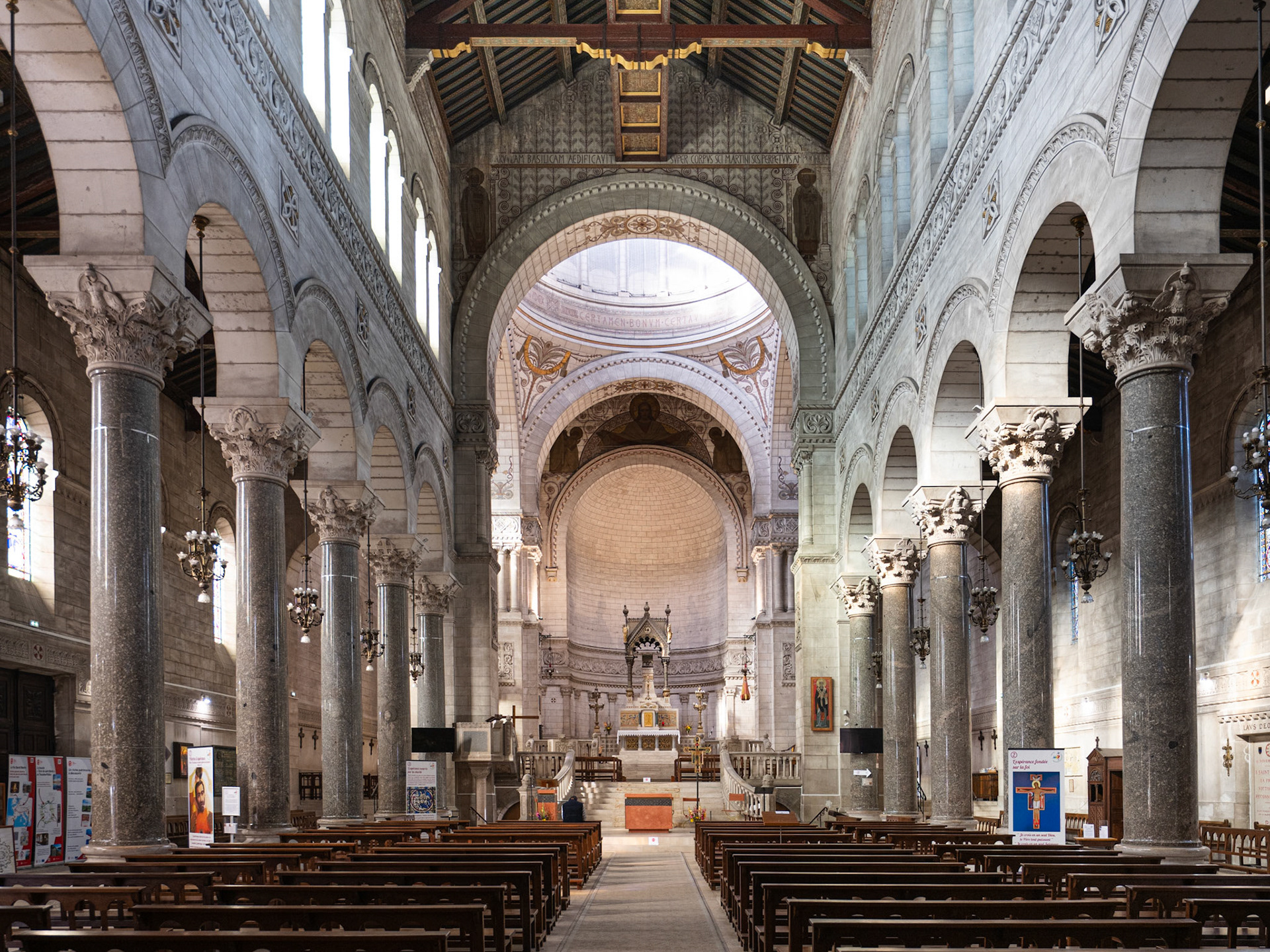
Neo-Byzantine Architecture

Neo-Byzantine architecture emerged in the mid-19th century as a revival of the forms and ornament of the Byzantine Empire, characterized by centralized plans, domes, polychrome brick or stonework, and rich decorative programs inspired by early Christian mosaics. Adopted across Europe and the Near East for churches, synagogues, and public buildings, the style combined historical references with modern construction techniques. In France, one of the most recognizable expressions is the glass dome of the Galeries Lafayette in Paris, completed in 1912.

Basilique Saint Martin de Tours
Tours
1886 - 1902
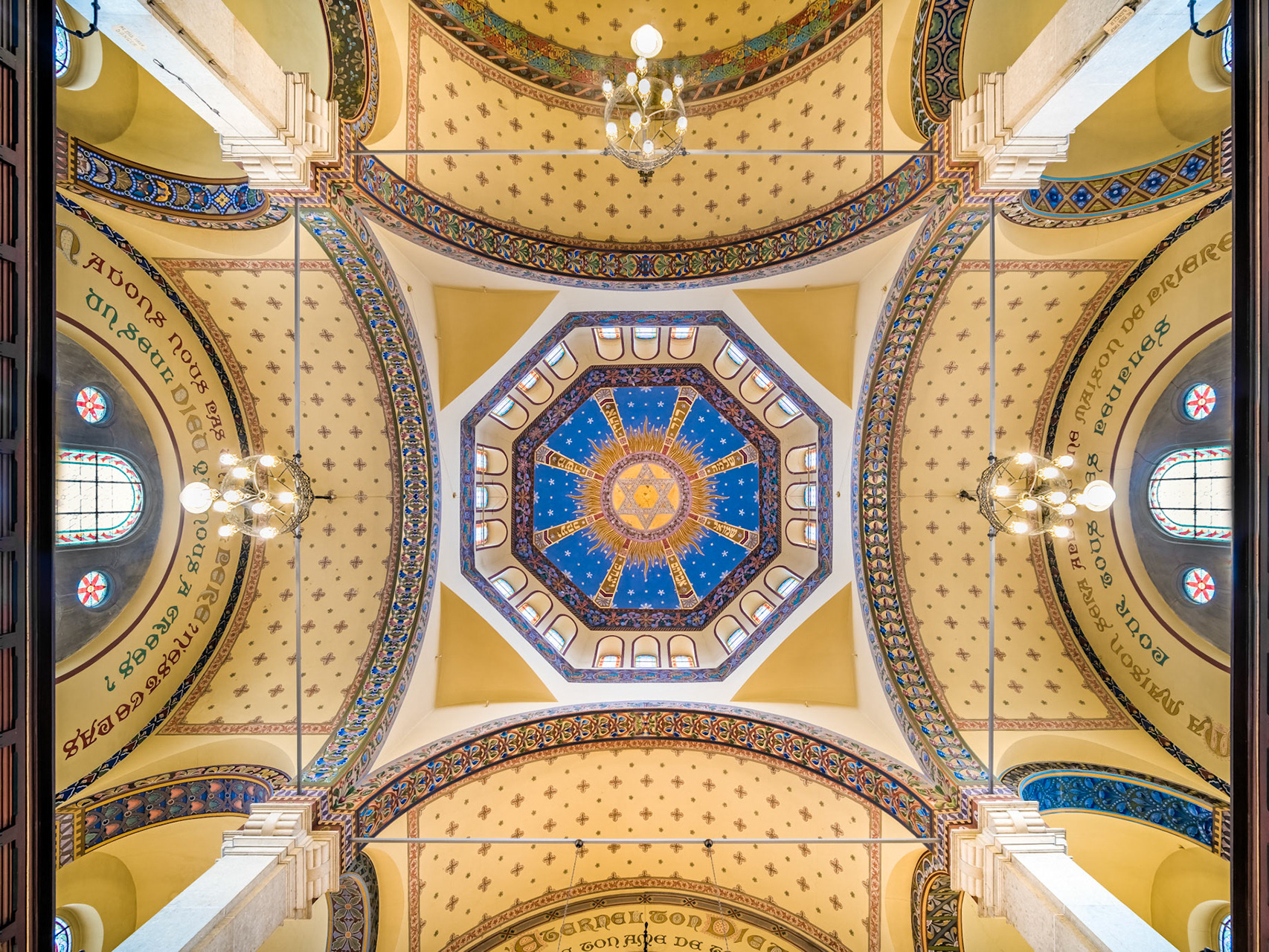
Synagogue de La Chaux-de-Fonds
La Chaux-de-Fonds
1894 - 1896

Galeries Lafayette
Paris
1912
Back to Top