The Olympic Museum in Lausanne, the Olympic Capital, was founded under the leadership of IOC President Juan Antonio Samaranch and inaugurated on June 23, 1993. It received the European Museum of the Year award in 1995 and, with more than 250000 yearly visitors, is the second most visited museum in Switzerland.
While its permanent exhibition showcases the development of the modern Olympic Games through, for example, a display of the Olympic Torches and the different sporting equipments over time, it also regularly features temporary exhibitions related to current Olympic events. The temporary exhibitions can be visited for free.
The Olympic Museum is located inside the Olympic Park right next to the Léman.
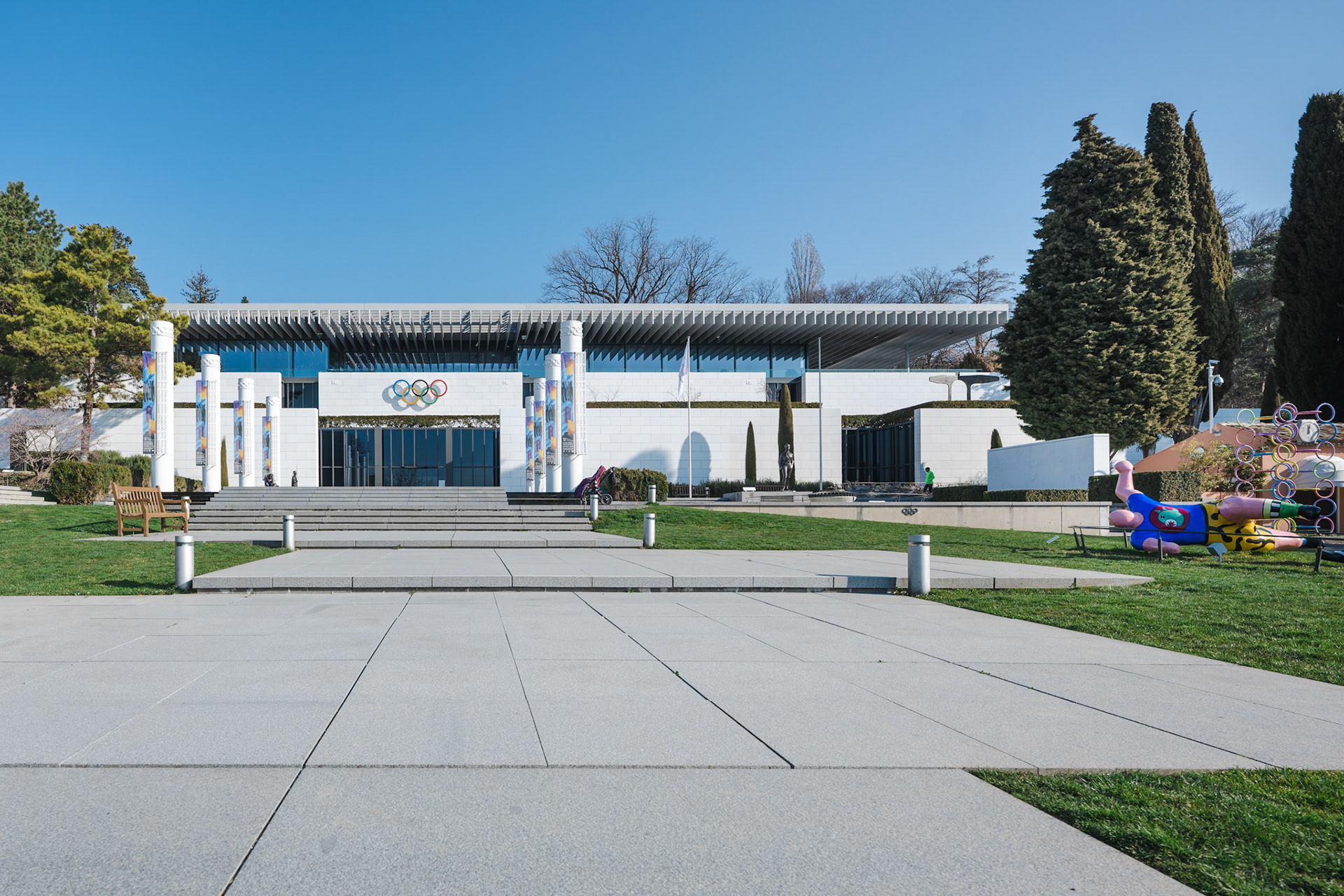
The Olympic Museum is located inside the Olympic Park
The building was designed by Pedro Ramírez Vázquez, Jean-Pierre Cahen and Miguel Espinet in the style of classical modernism.
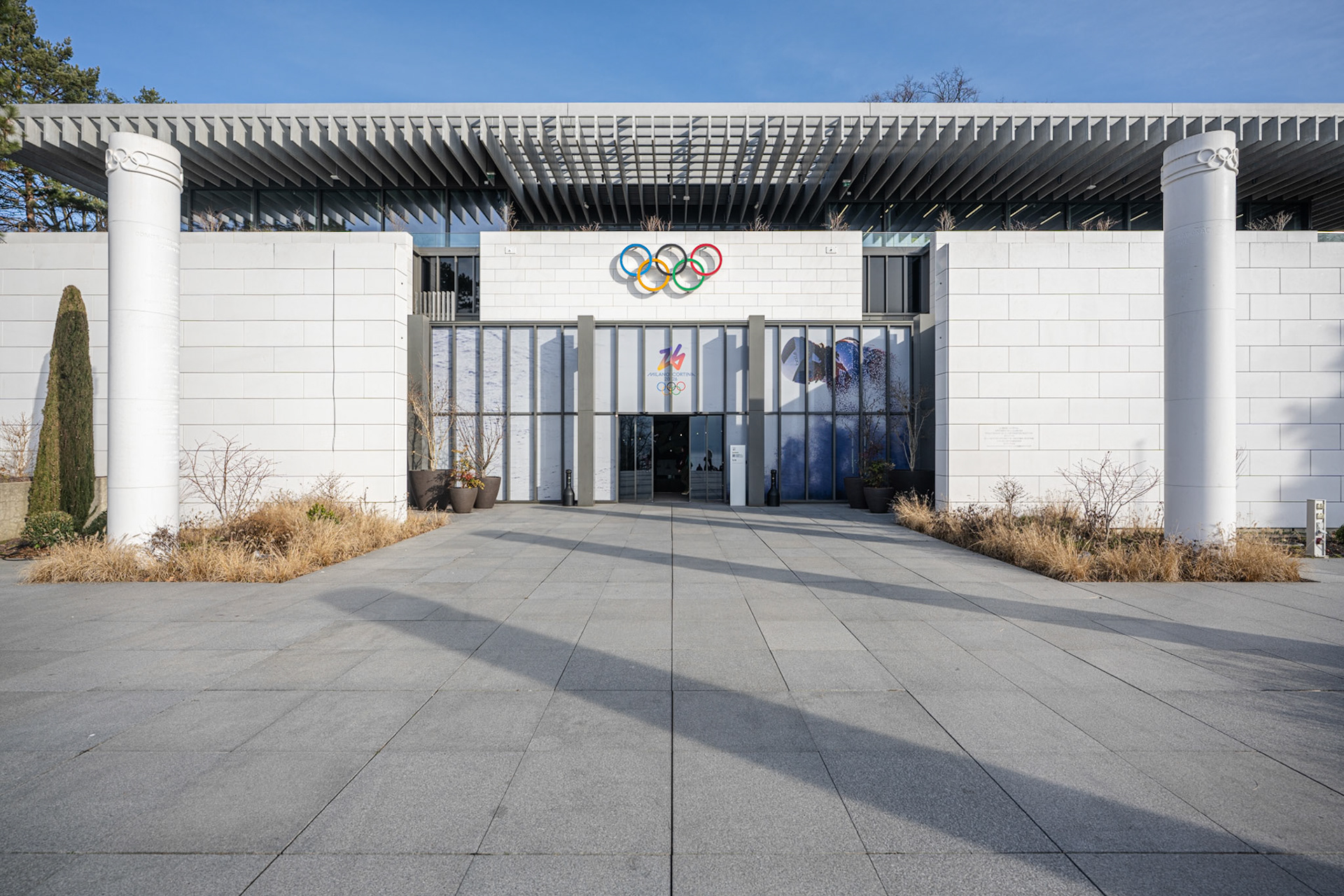
Olympic Museum entrance
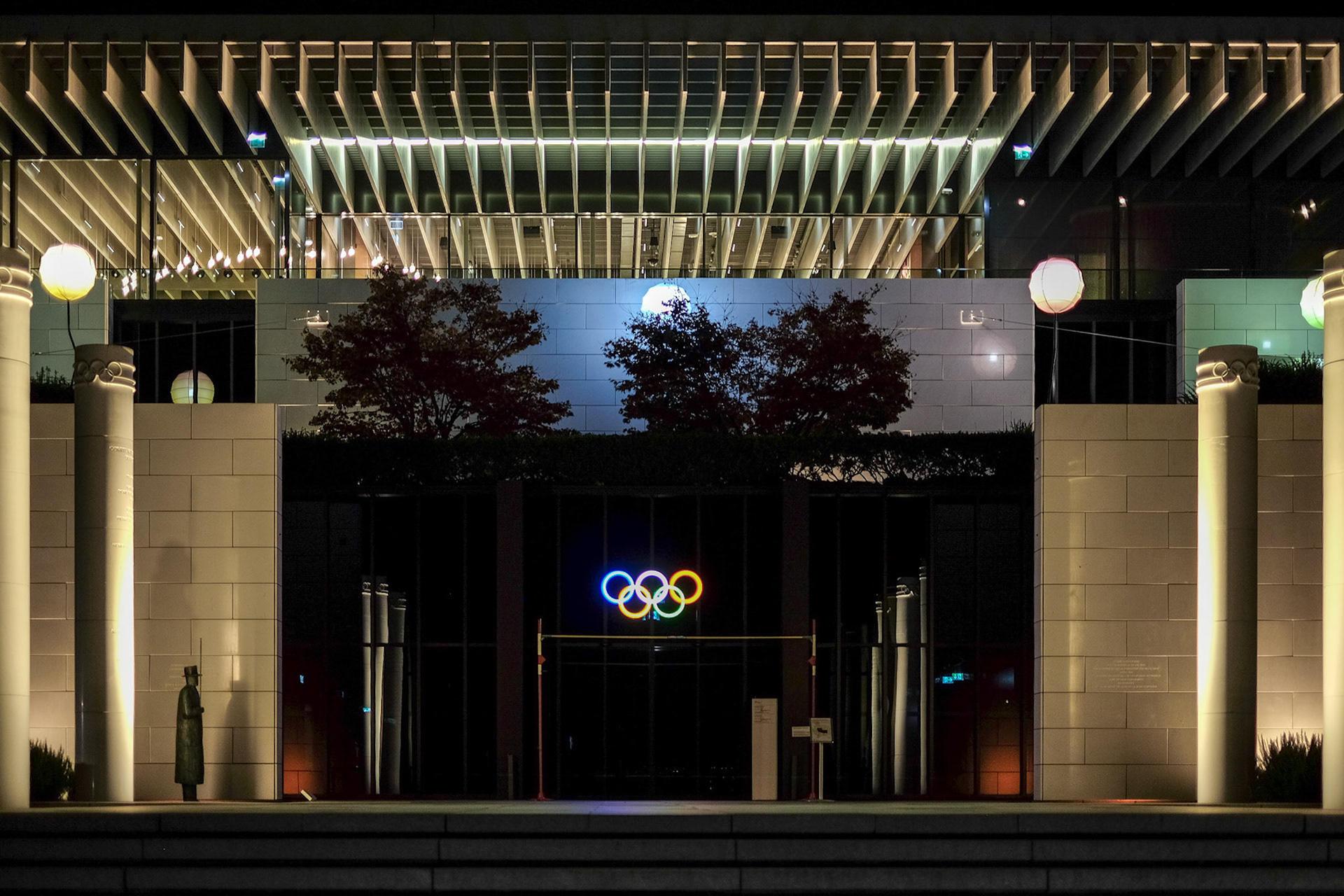
Olympic Museum at night
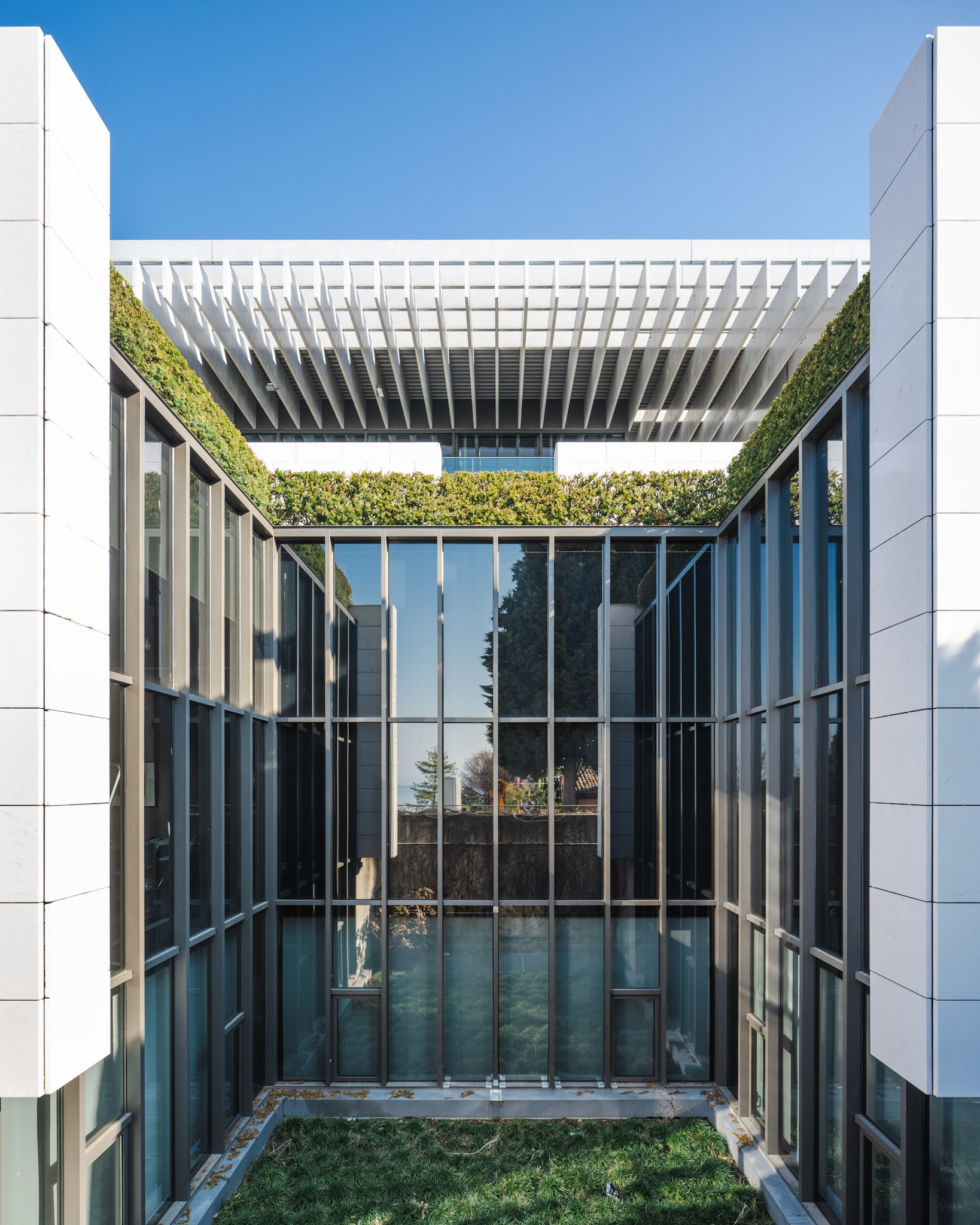
Musée Olympique, Lausanne
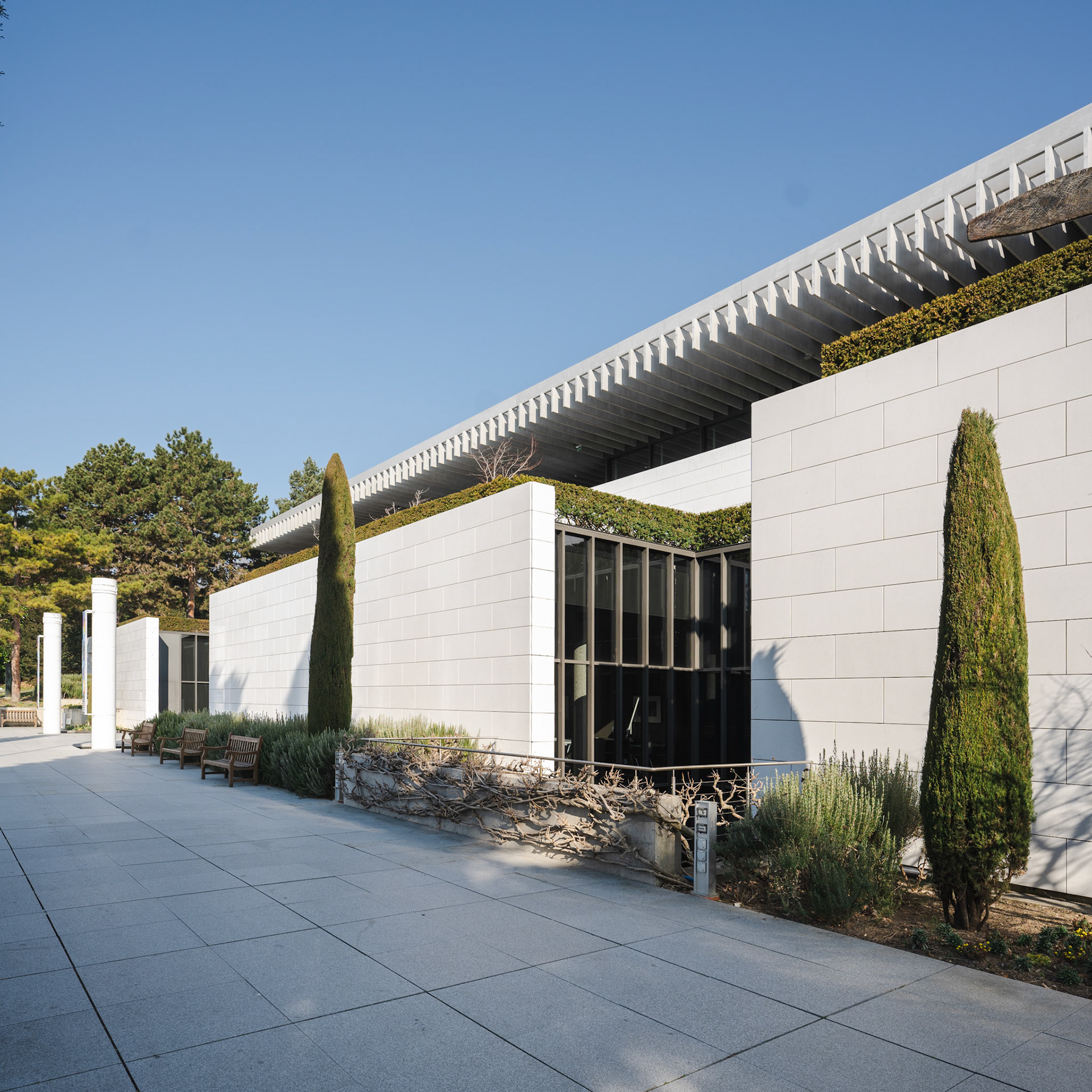
Musée Olympique, Lausanne
A spiral ramp connects the different levels of the museum.
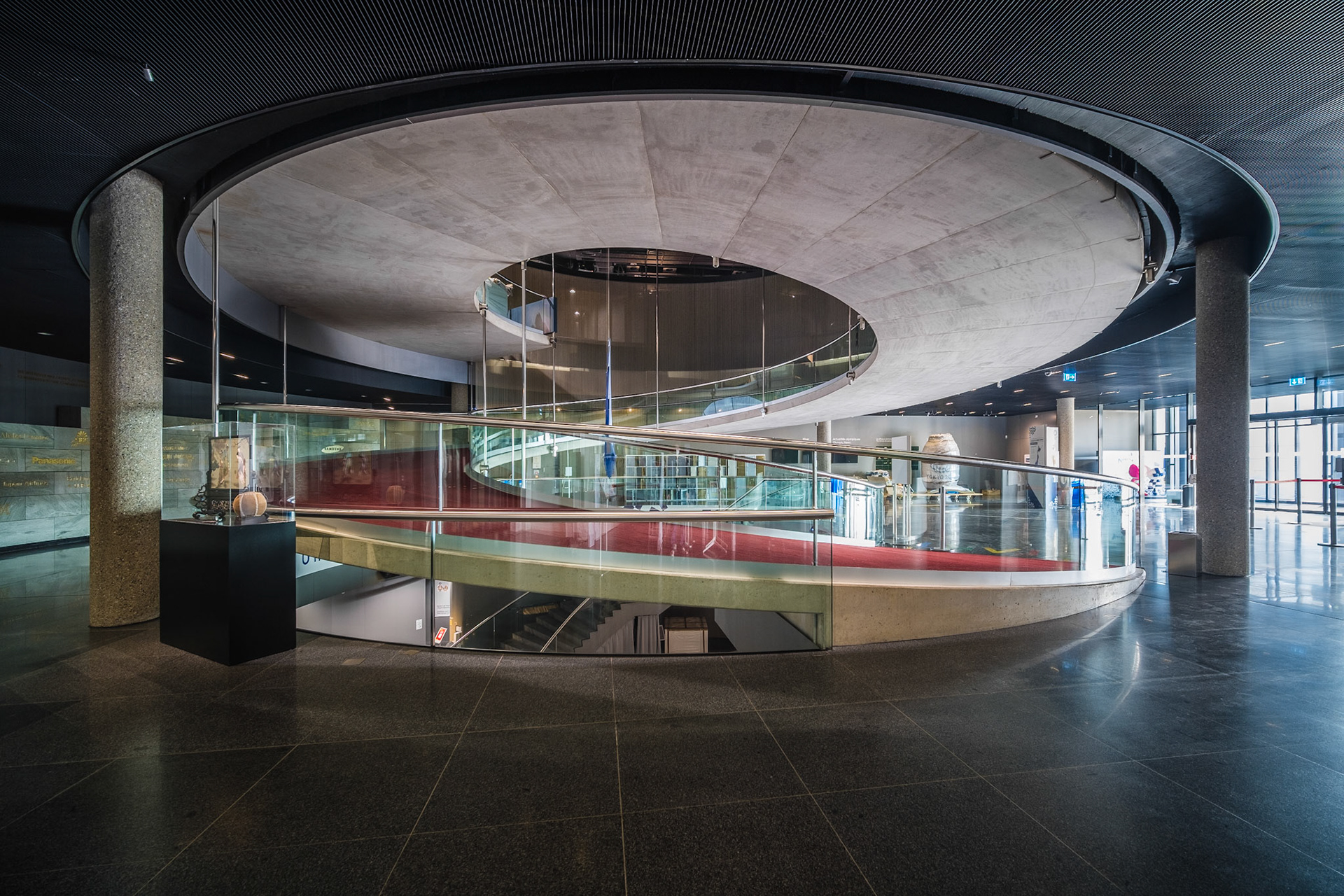
Olympic museum spiral staircase
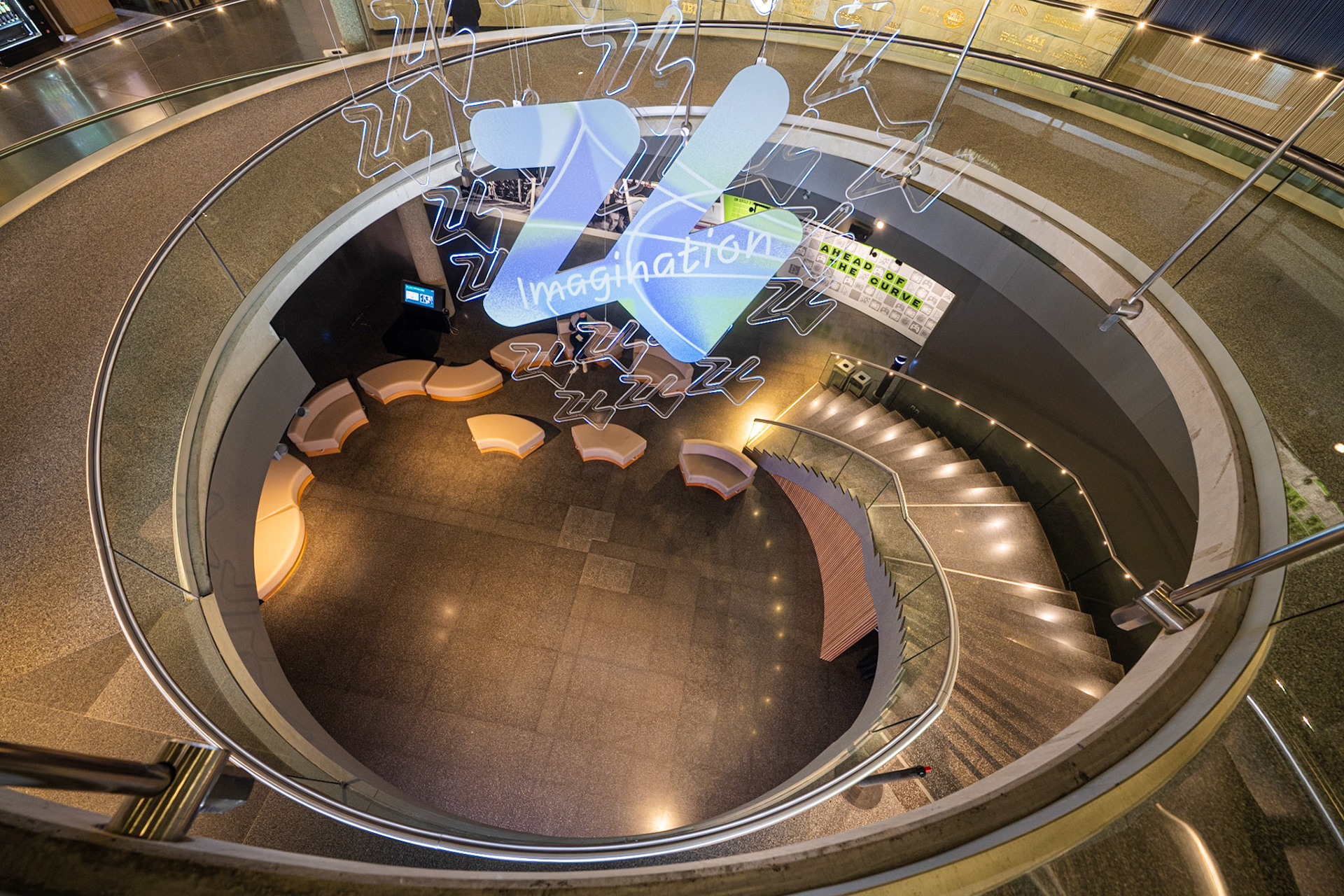
Musée Olympique, Lausanne - staircase
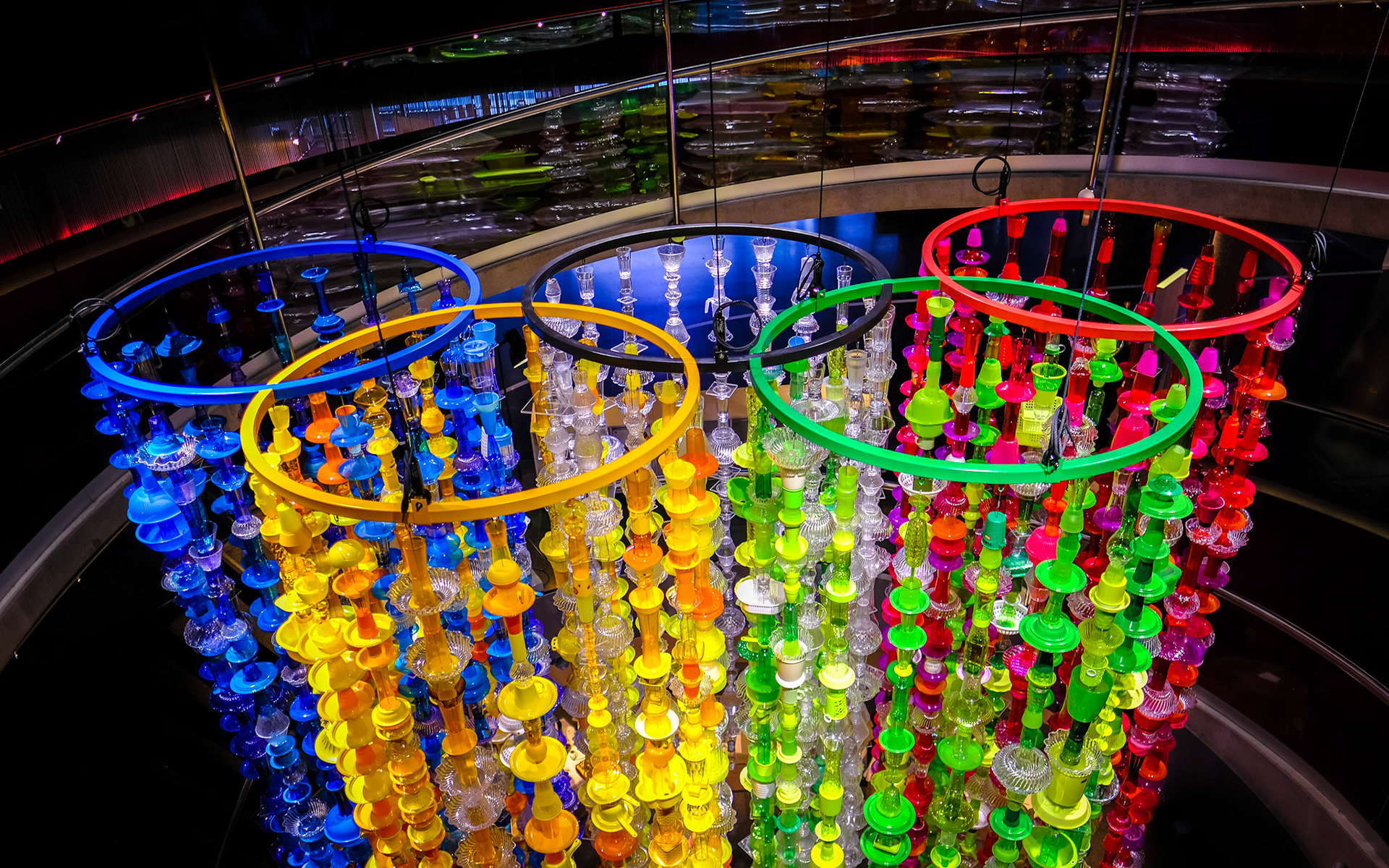
Musée Olympique, Lausanne - staircase
The museum exhibition follows the evolution of the modern Olympic Games.
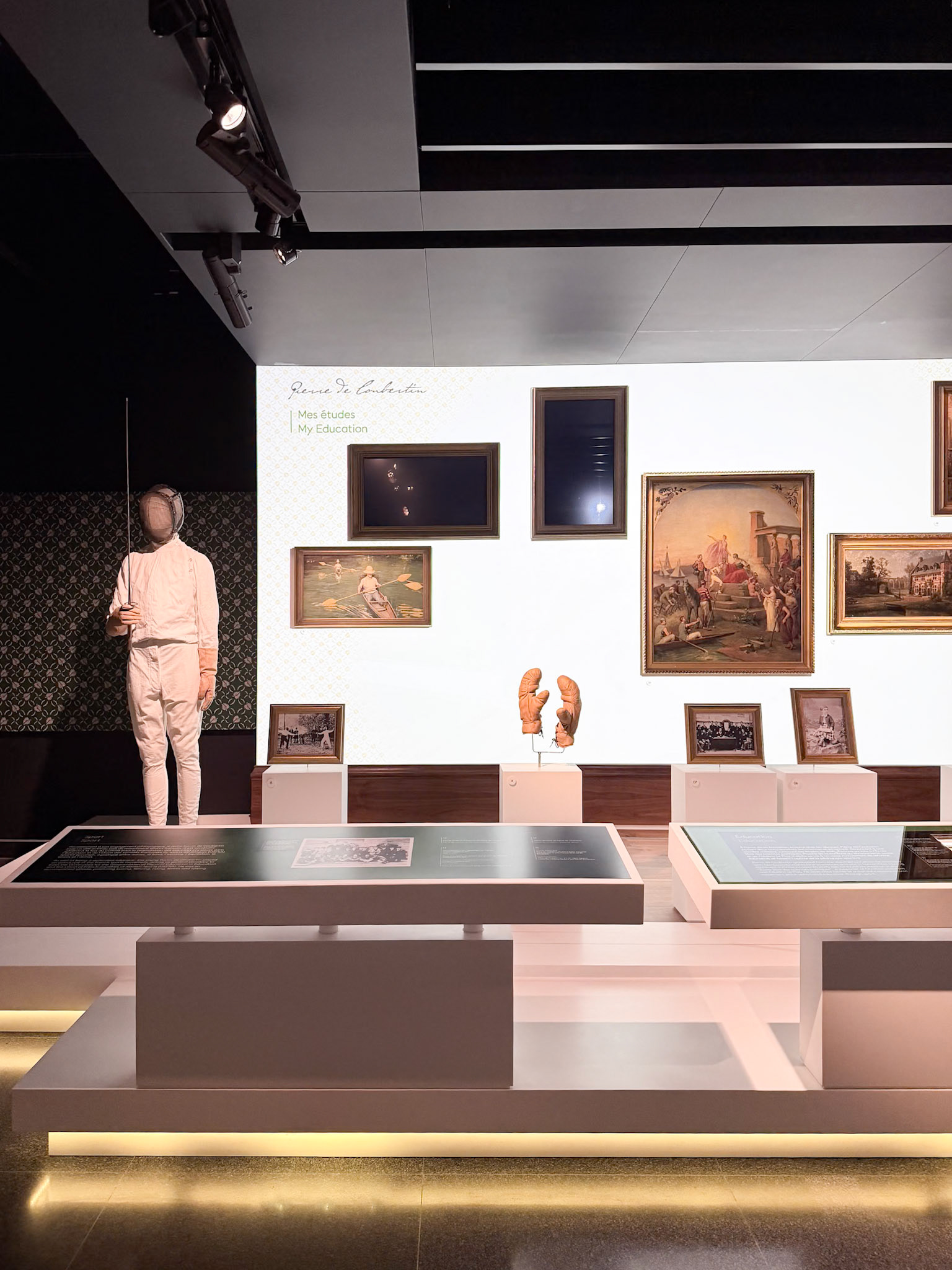
Pierre de Coubertin
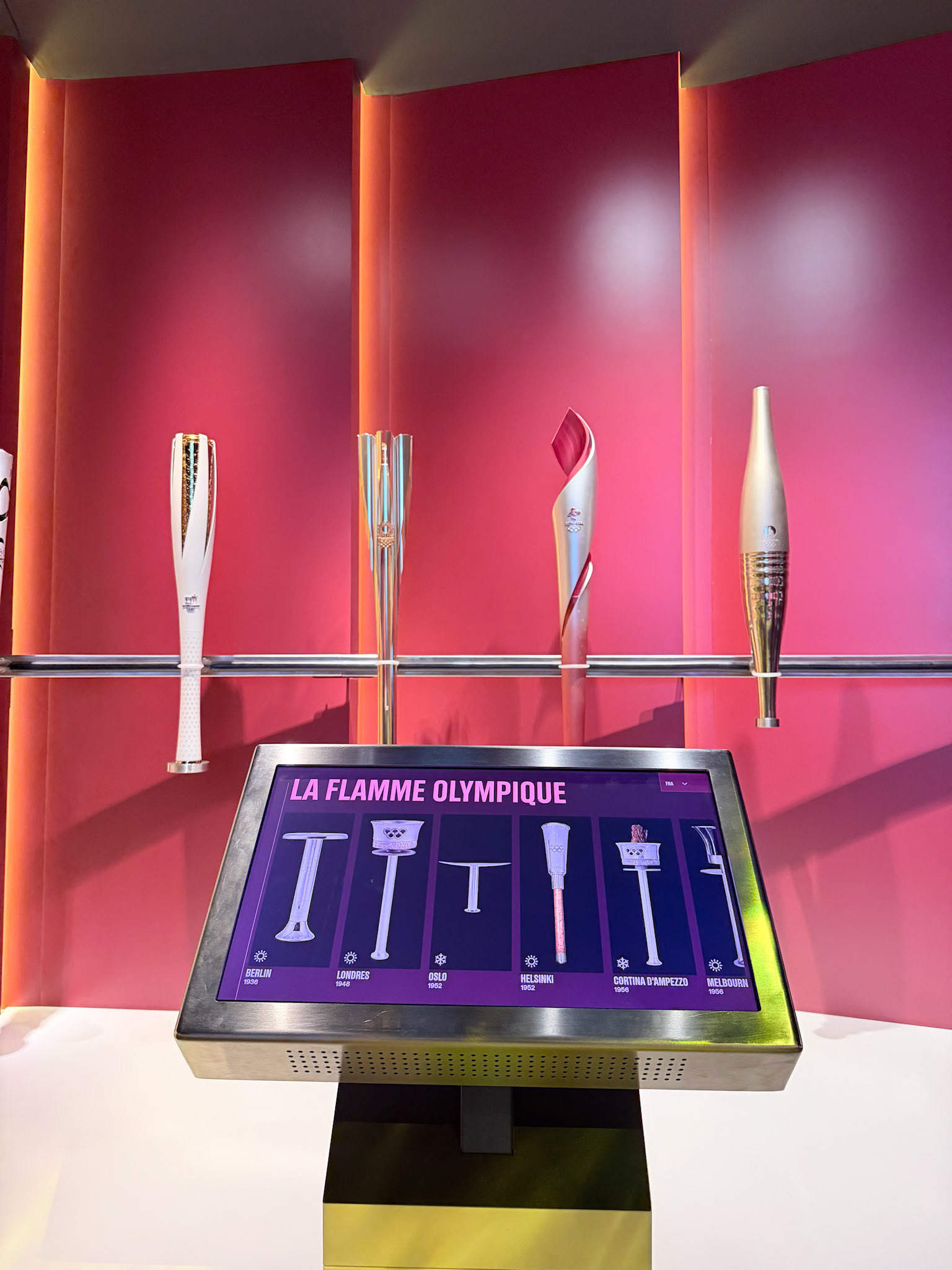
Olympic Flame
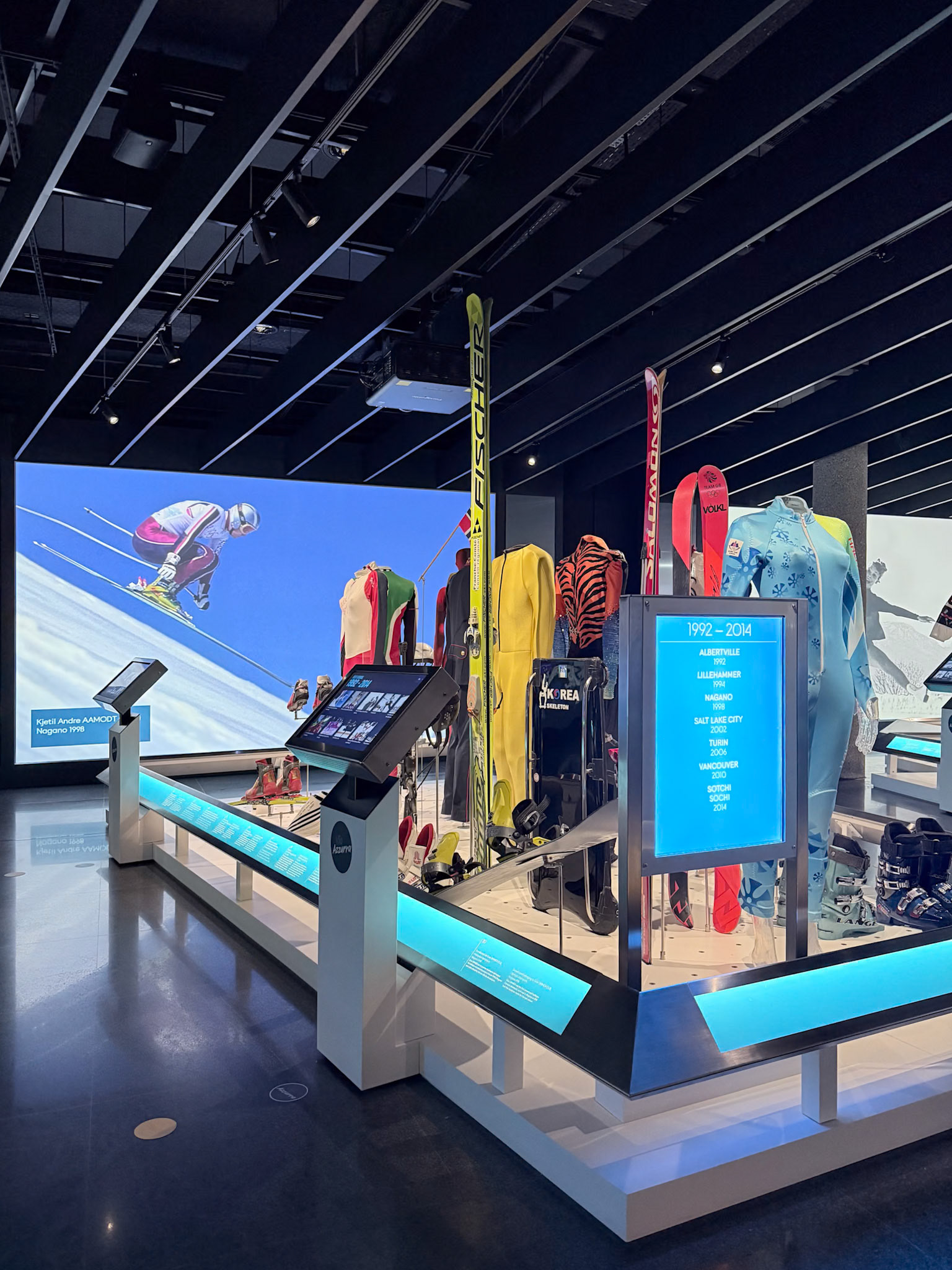
sports equipment
The lower floor of the museum, the last one to visit, contains a large interactive area !
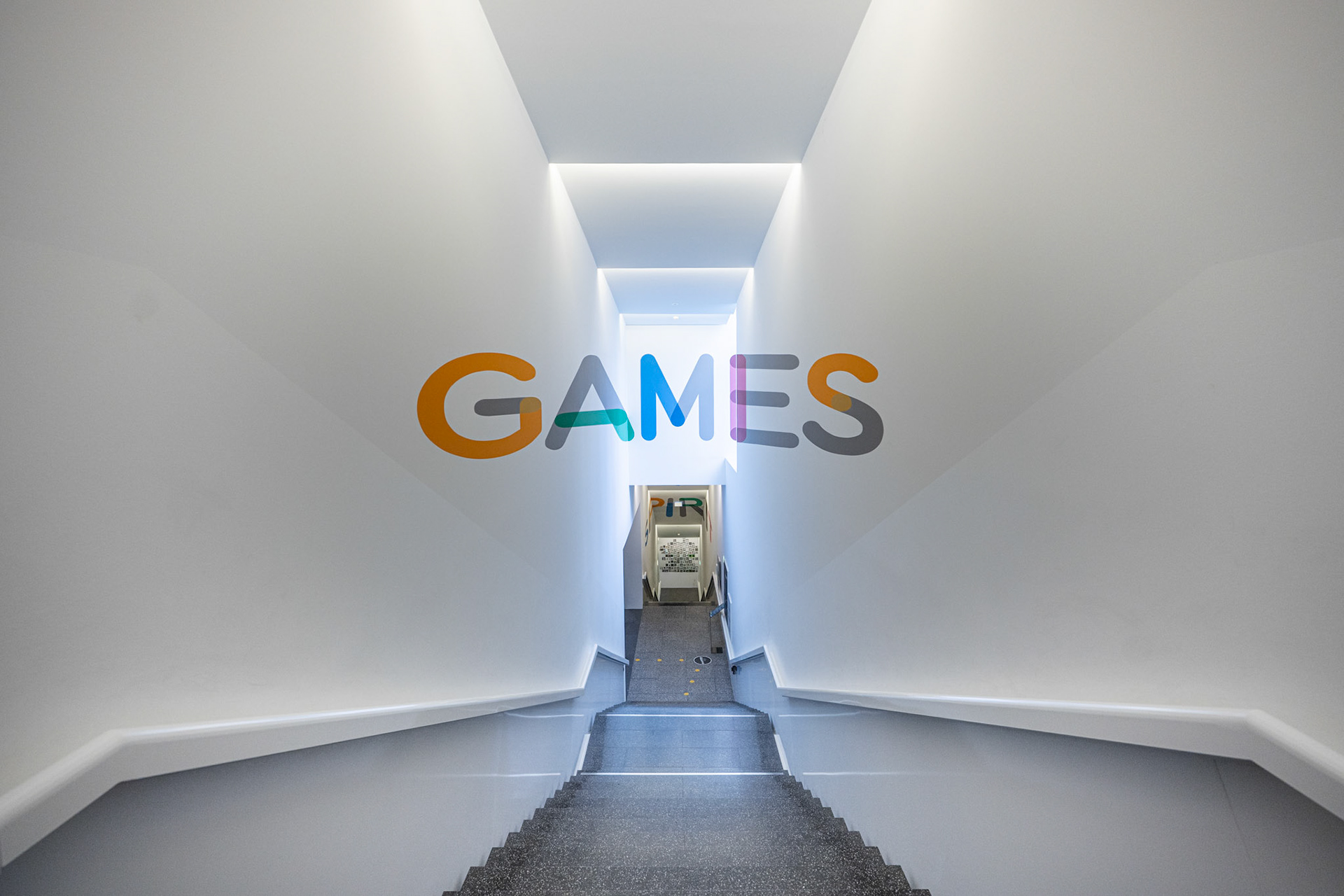
staircase leading to the lower level
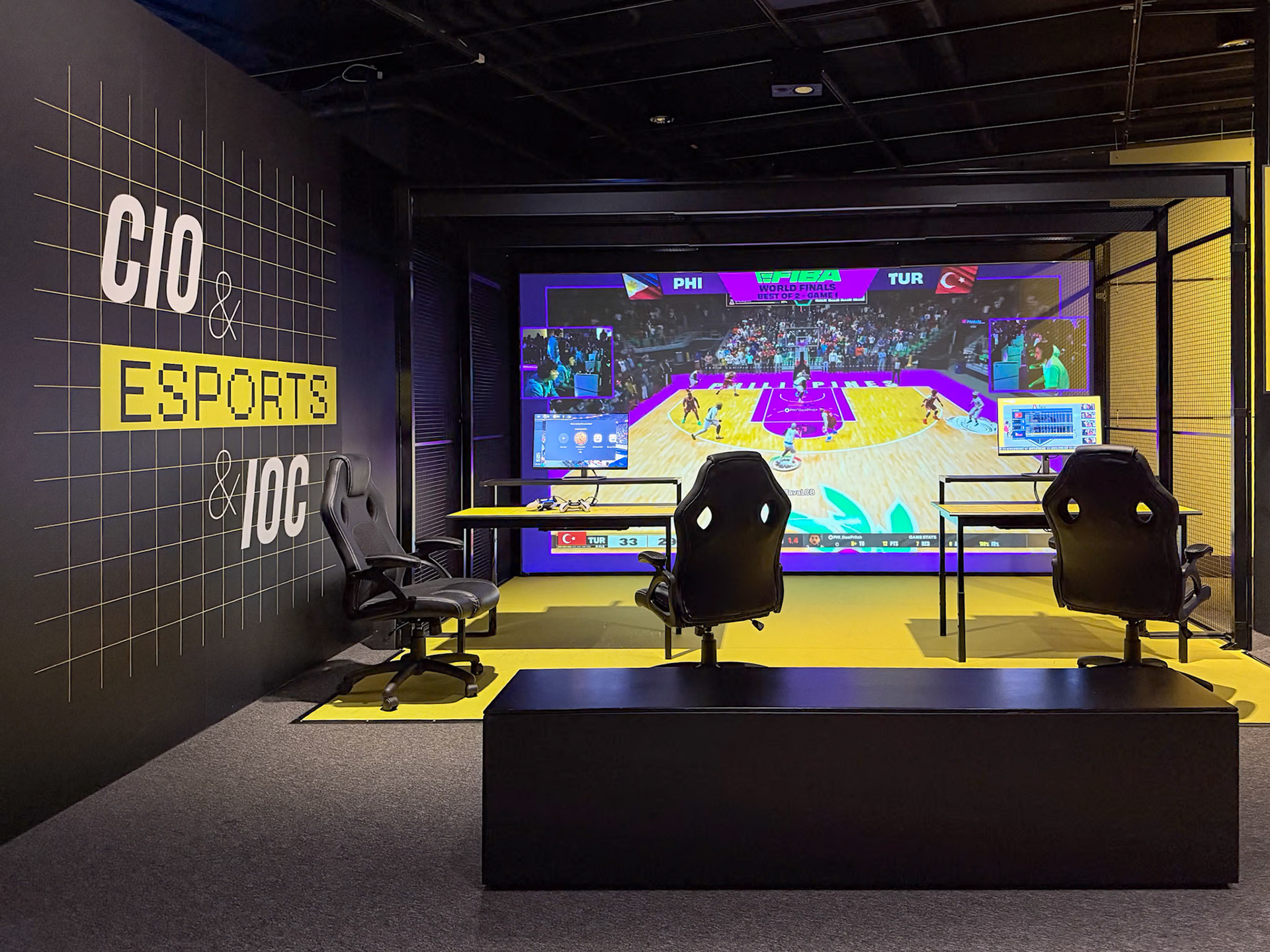
interactive section of the Olympic Museum
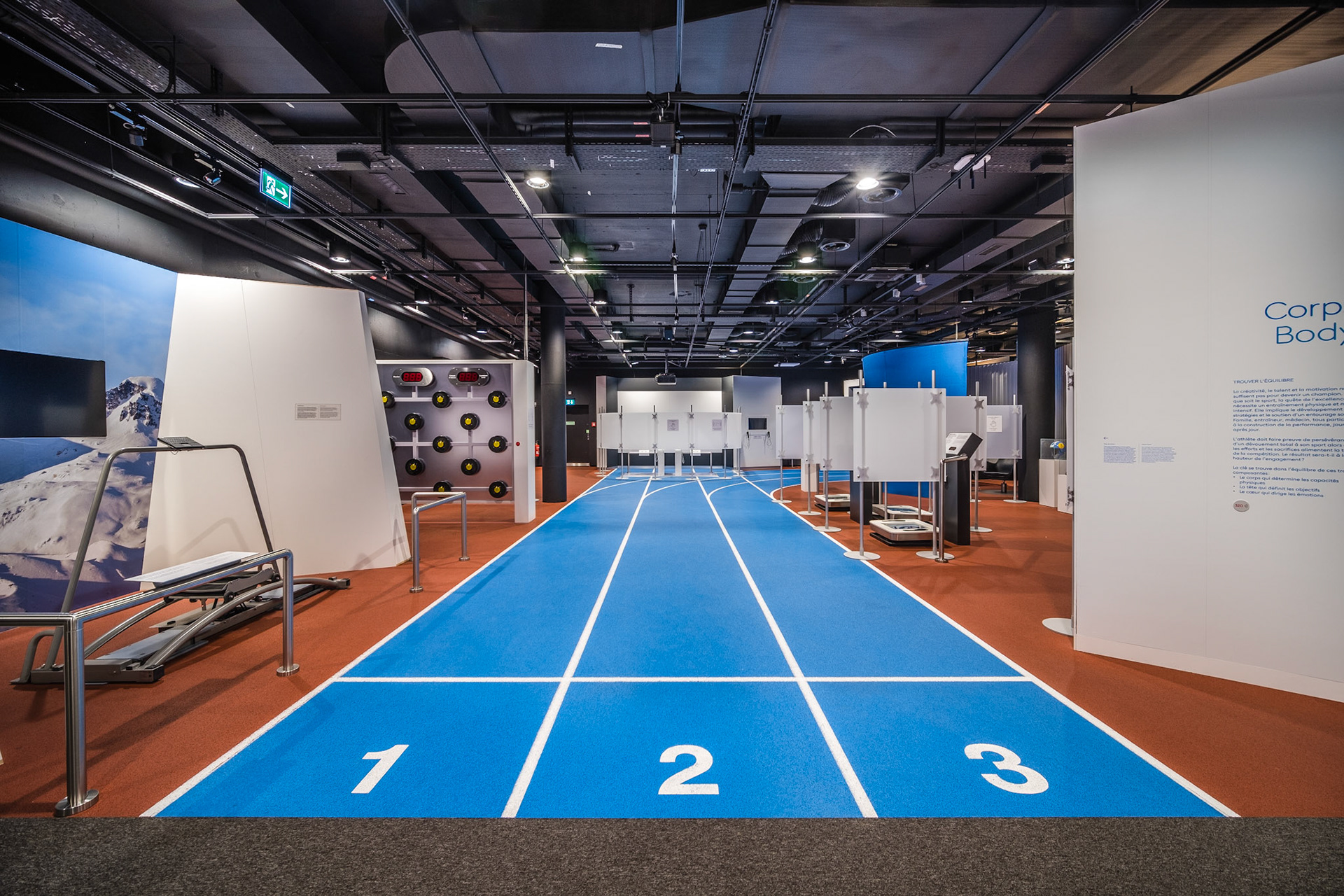
interactive section of the Olympic Museum (before redesign)
The building has been completely renovated by Swiss architects Brauen Wälchli Architectes and Tekhne SA in 2013, increasing the exhibition space from 2000 square meters to 3000 square meters.
The museum's restaurant, the TOM Café, has beautiful views of the Lake and the mountains.
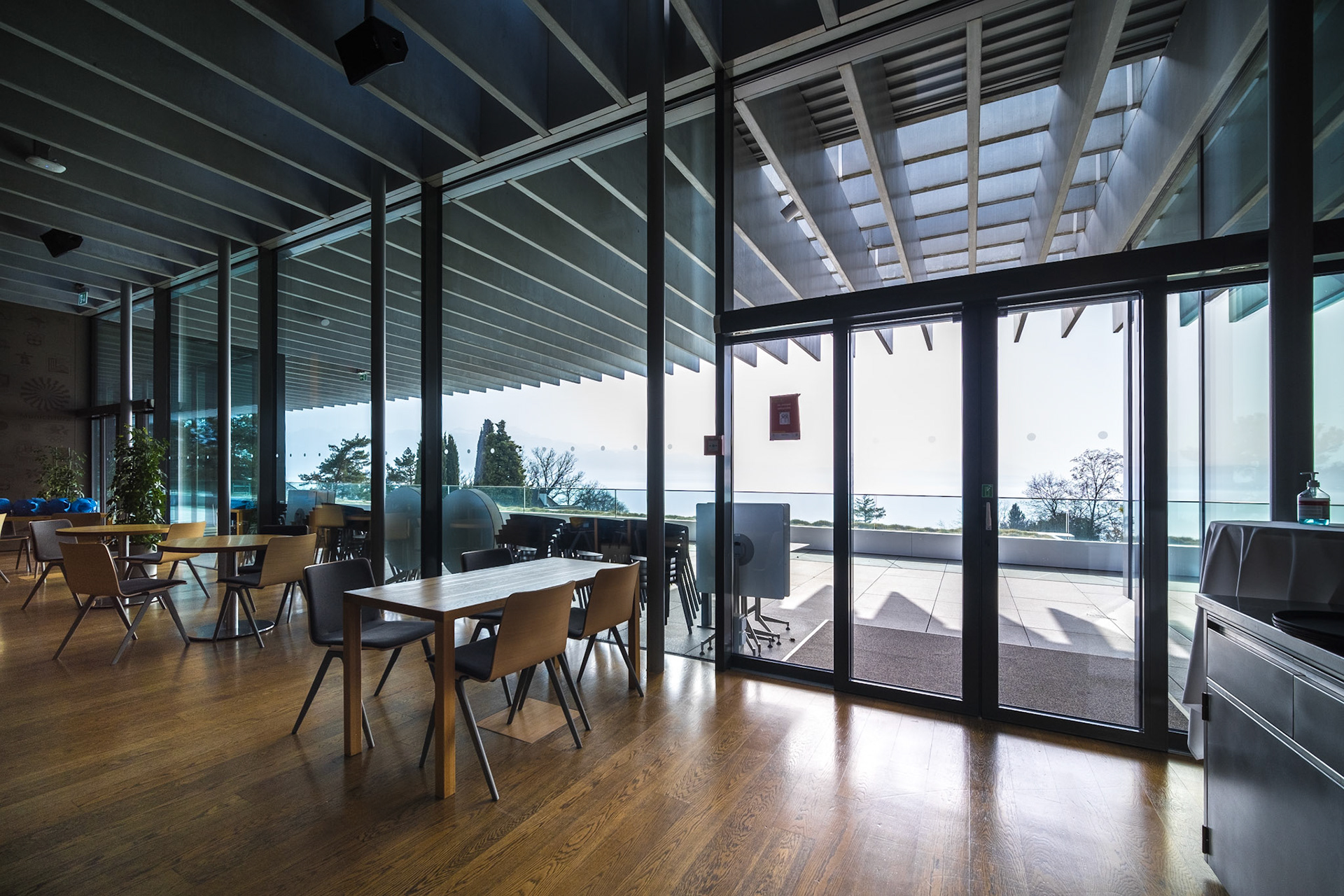
TOM Café inside the Olympic Museum
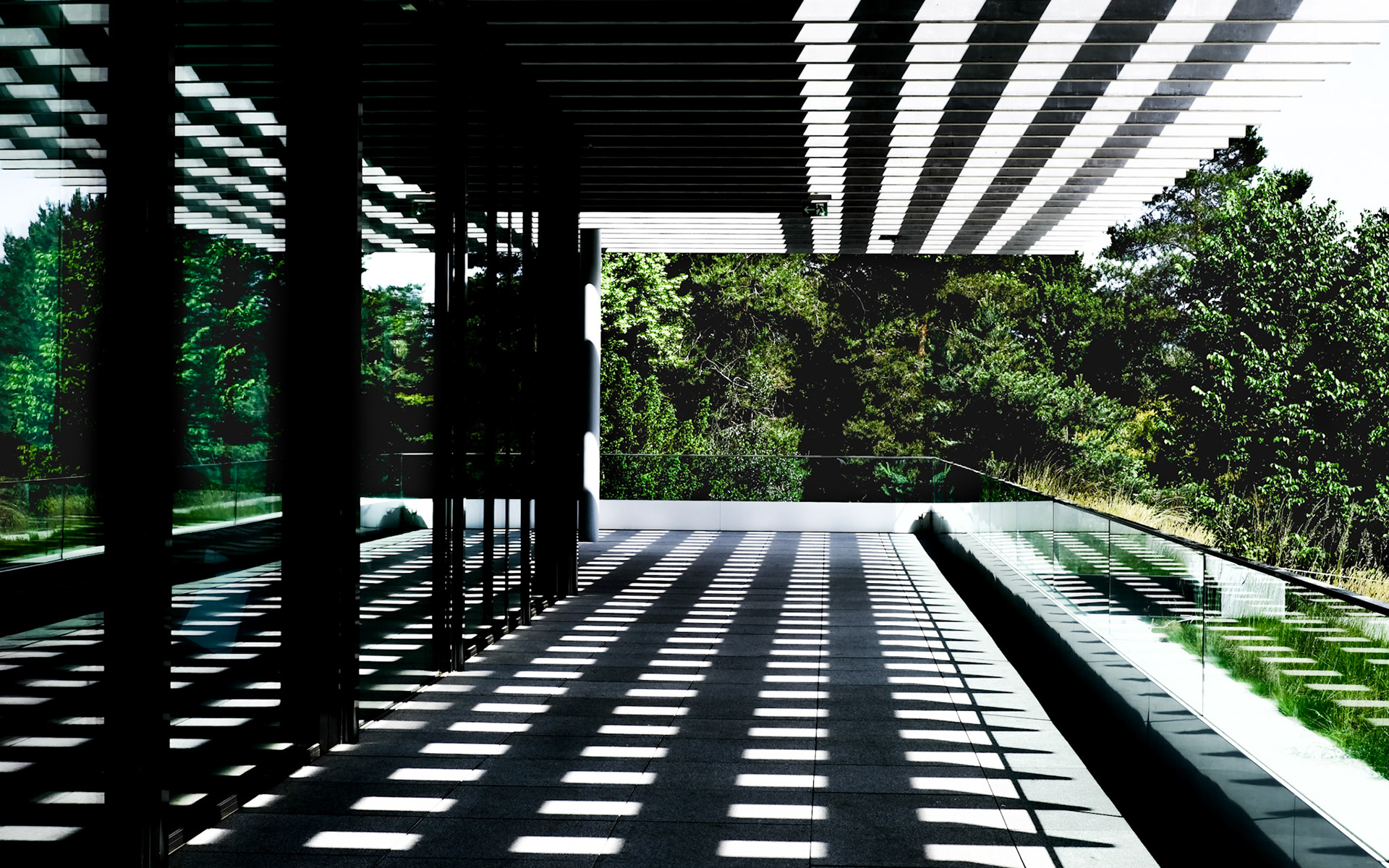
TOM Café terrace with its interesting play of light and shadow
The winding path from Lake Geneva to the Olympic Museum stretches 1363 Greek feet — the exact length of an ancient Olympic stadium. All around, the Olympic Parc features over 40 sculptures telling stories of sport and hope. Among them is Non-Violence by Carl Fredrik Reuterswärd, created in 1980 in the wake of John Lennon’s assassination. While the original welcomes visitors at the United Nations in New York, this bronze cast has stood here since 1997.
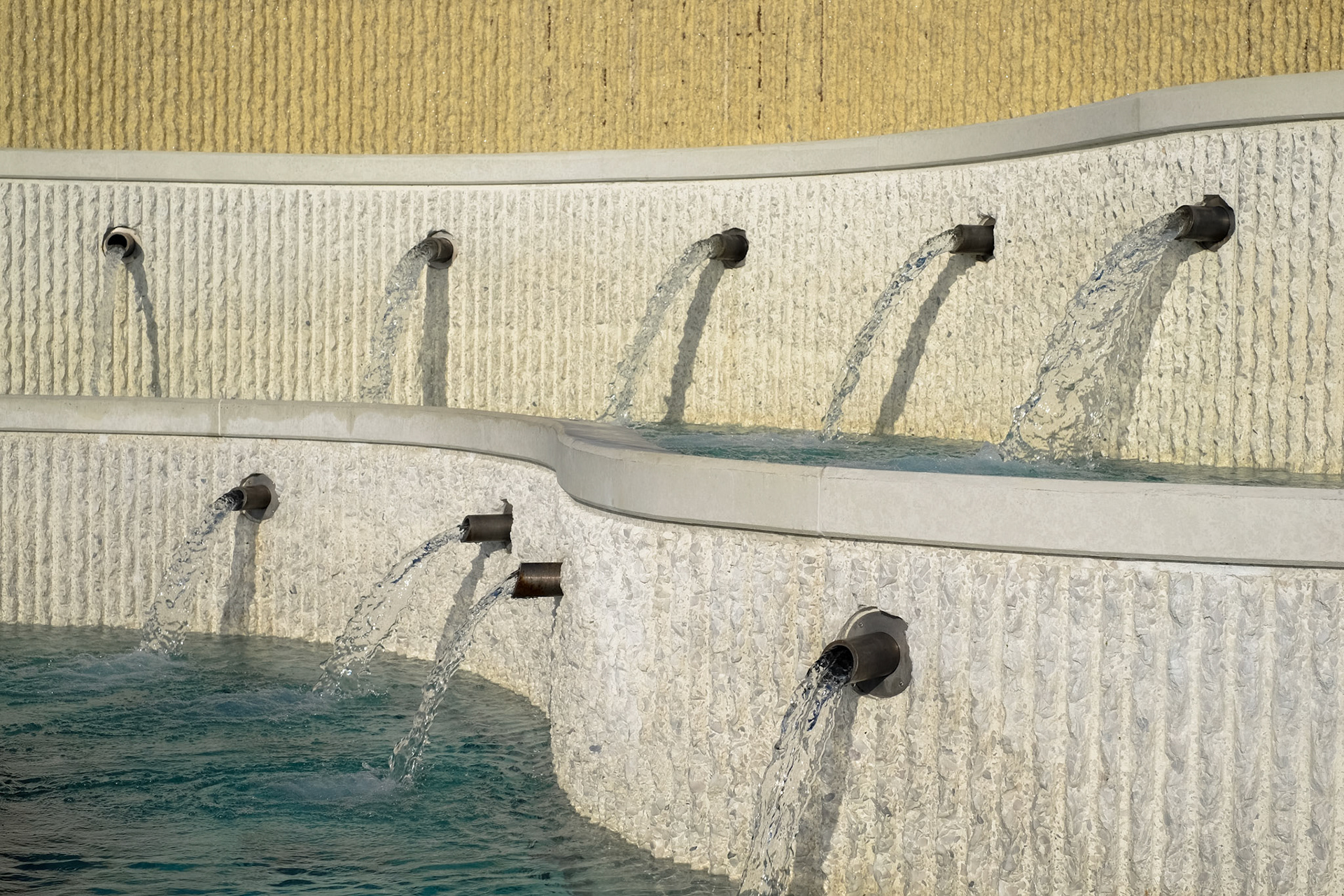
Fountain marking the entrance to the Olympic Park in Lausanne Ouchy
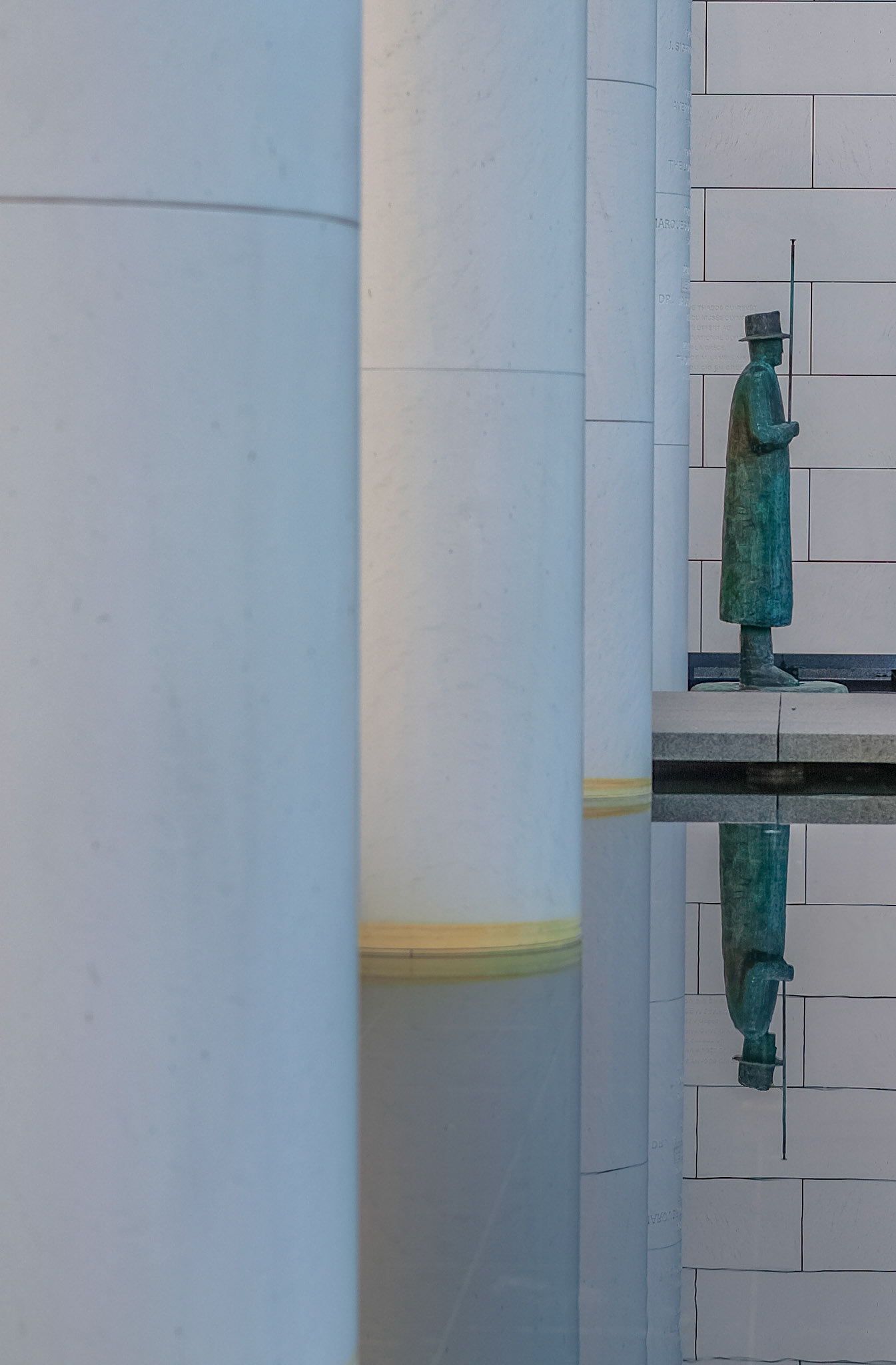
The sculpture "Pluie" (Rain) by Jean-Michel Folon
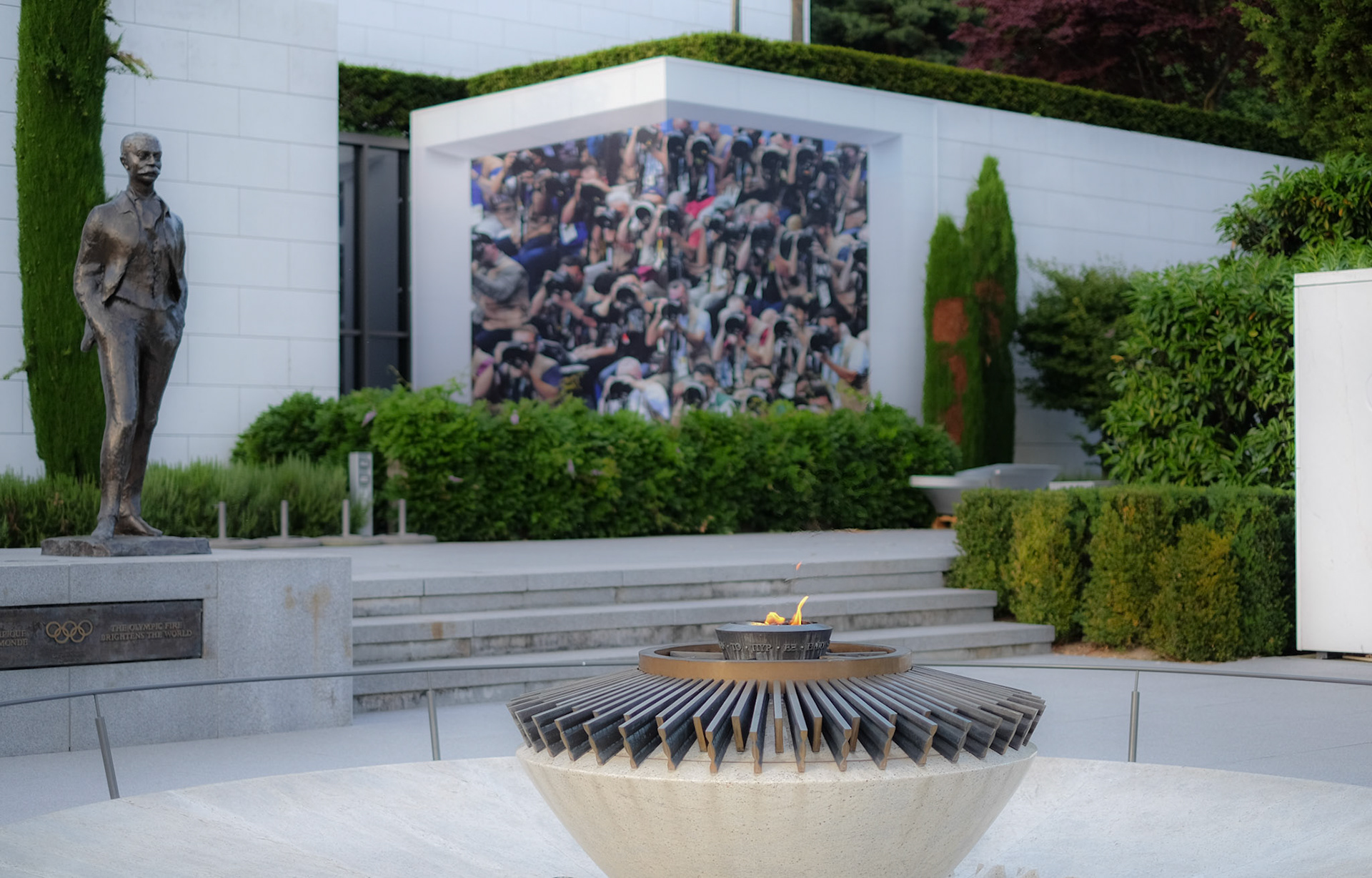
Olympic Flame in front of the Olympic Museum - cauldron in marble and bronze by André Ricard
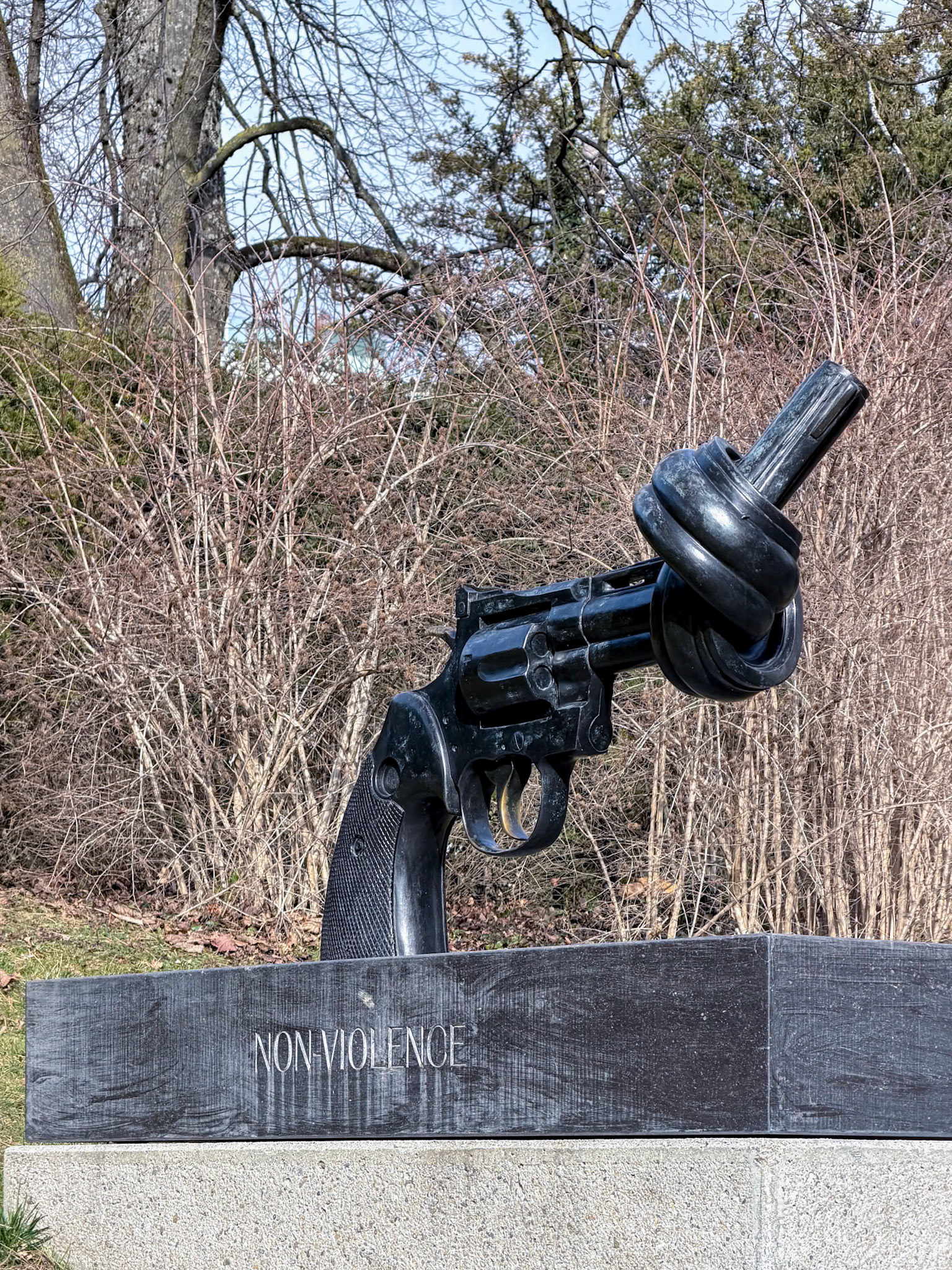
Non-Violence by Carl Fredrik Reuterswärd
The museum administration is located inside the Villa Olympique, originally built in 1927 to plans by Walter Baumann.
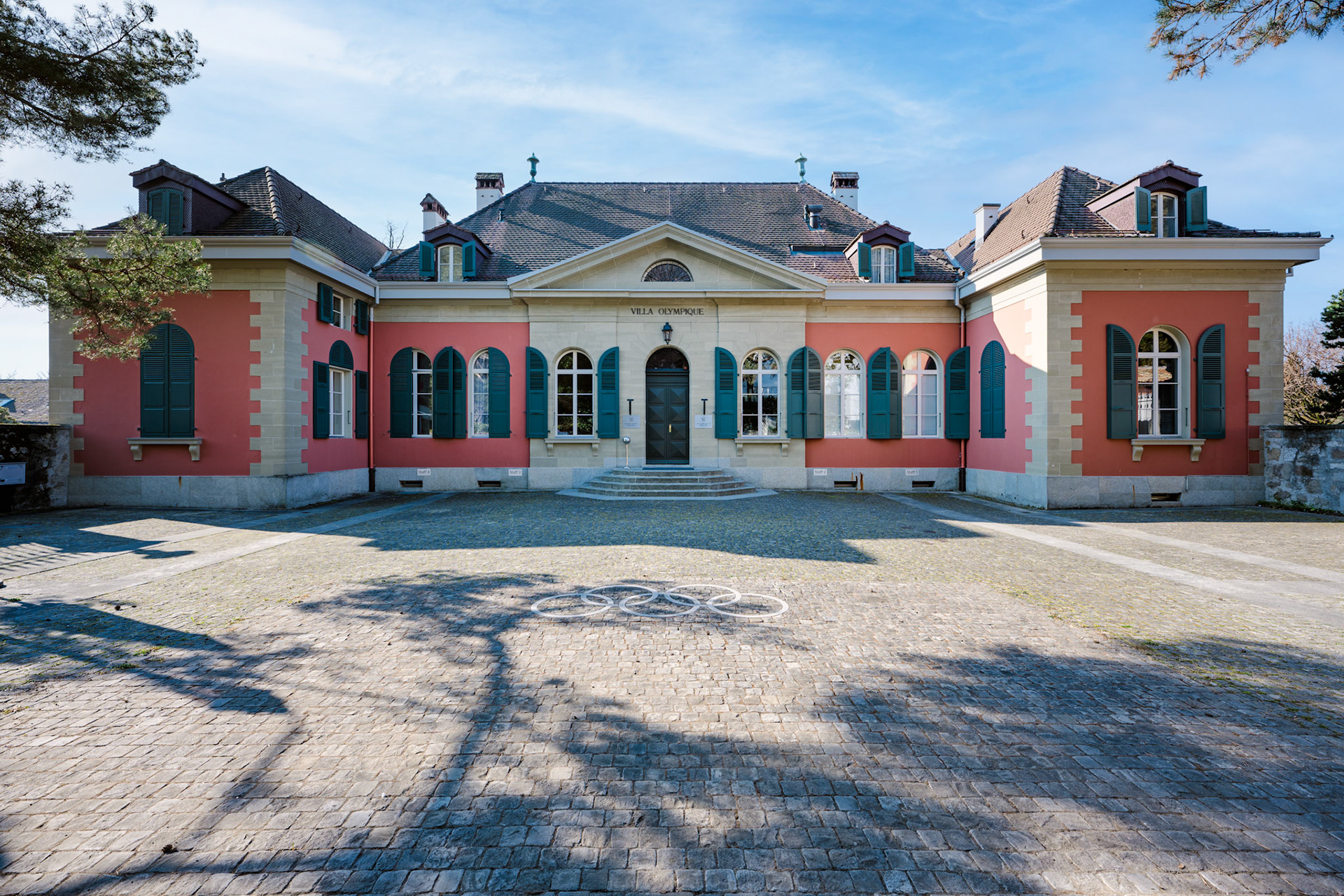
Villa Olympique - museum administration
During Olympic Games, the Olympic Museum allows its visitors to experience the games live. This includes sports demonstrations, workshops and live coverage of the events. The full program can be found at the museum's website.
You may also like