The history of the Musée d'Art et d'Histoire in Geneva goes back to the foundation of the Musée des Beaux Arts in 1826. The institution was acquired by the City of Geneva in 1851 and as the collections grew over time, a new building started to be necessary.
After an architecture competition was held in 1900, the neoclassical museum building was constructed between 1903 and 1910 to plans by Swiss architect Marc Camoletti. With a surface area of 7,000 square meters, the Musée d'Art et d'Histoire in Geneva is one of the largest museums in Switzerland. Since 2021, visitors are also greeted at the museum’s entrance by Big Crunch Clock, a digital artwork by Geneva-based artist Gianni Motti. Installed on the pediment of the building, this countdown measures the time remaining until the implosion of the sun (some five billion years from now), a striking temporal counterpoint to the timescale of the museum’s collections.
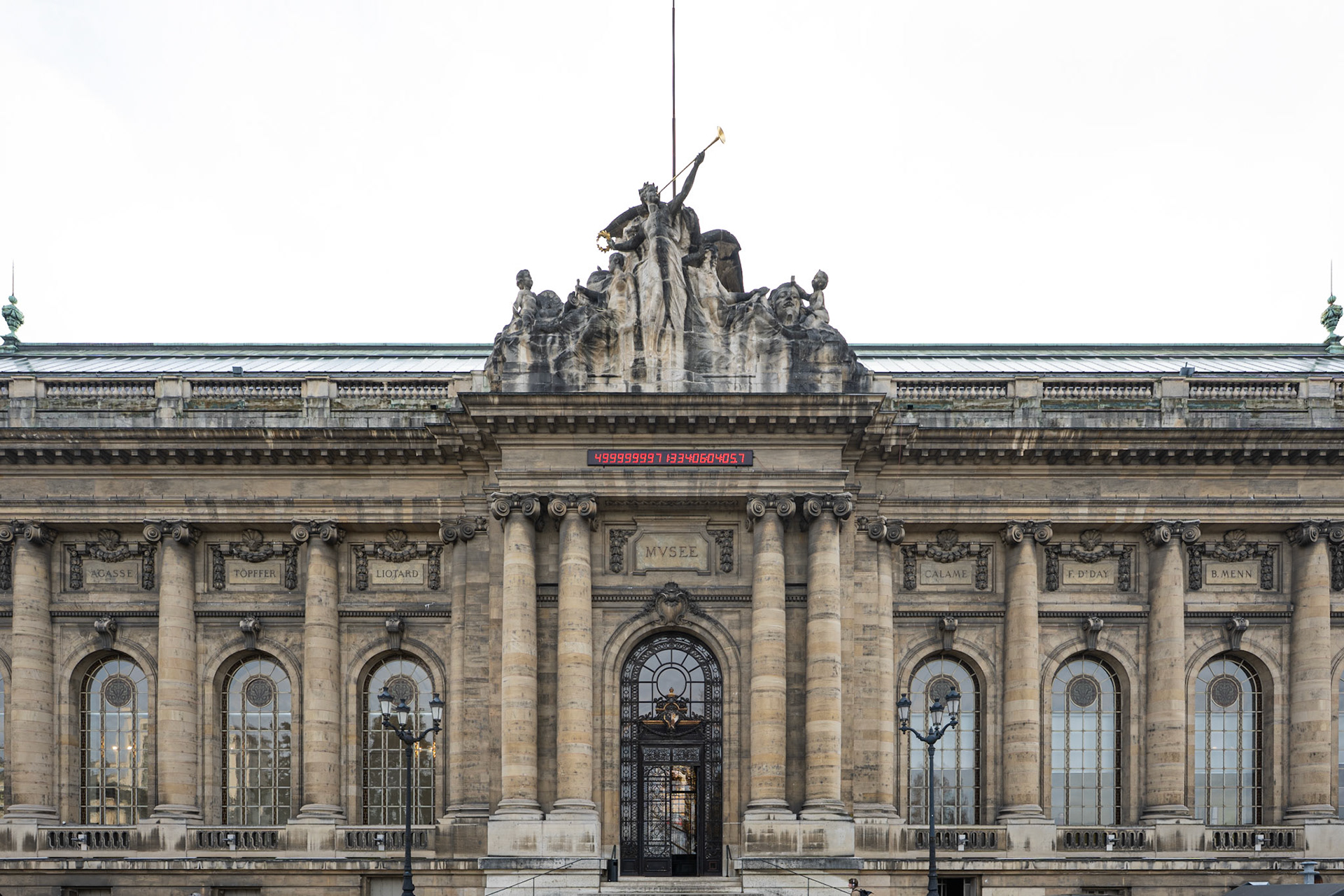
Musée d'Art et d'Histoire - entrance with Big Crunch Clock by Gianni Motti
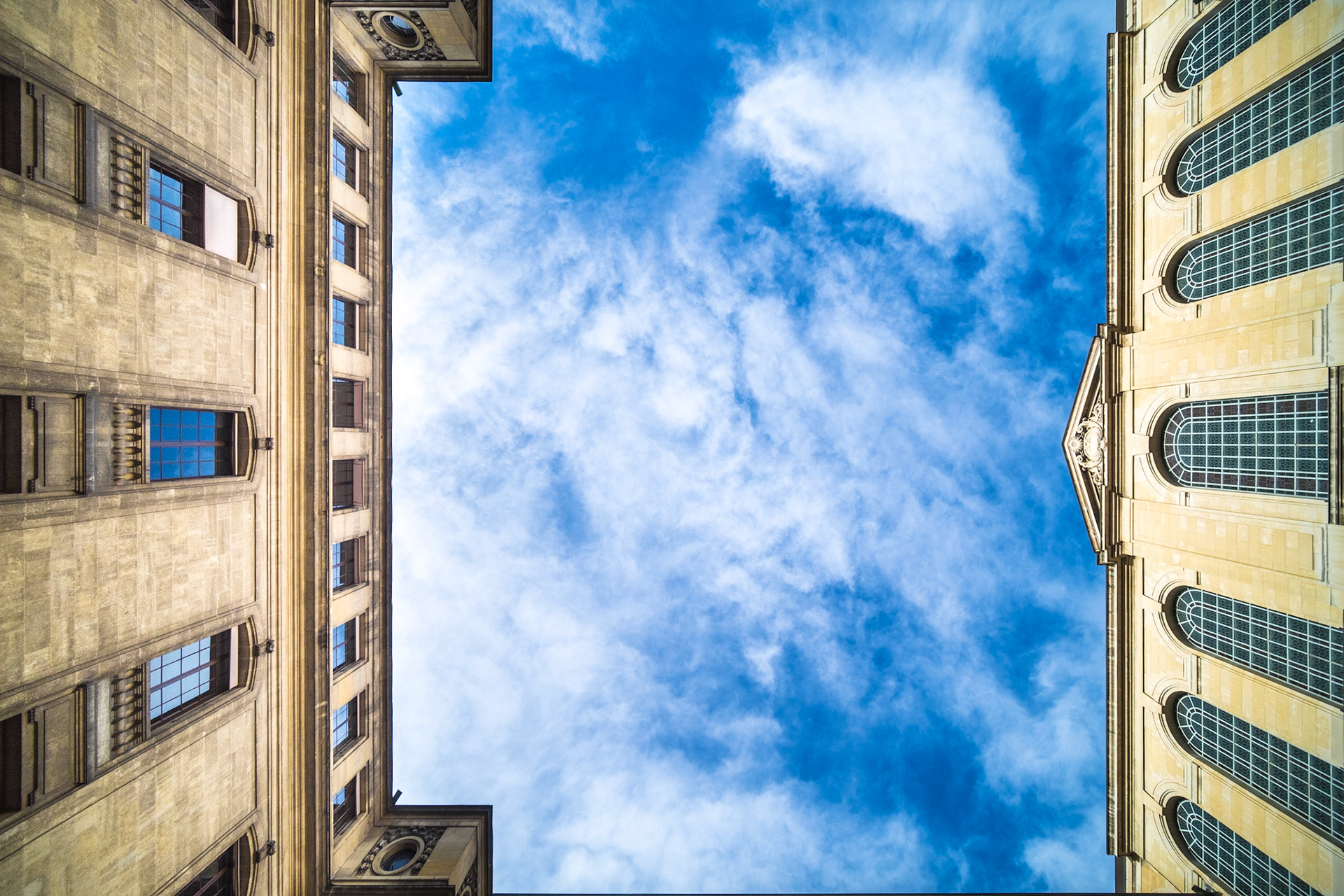
Musée d'Art et d'Histoire, Geneva - exterior
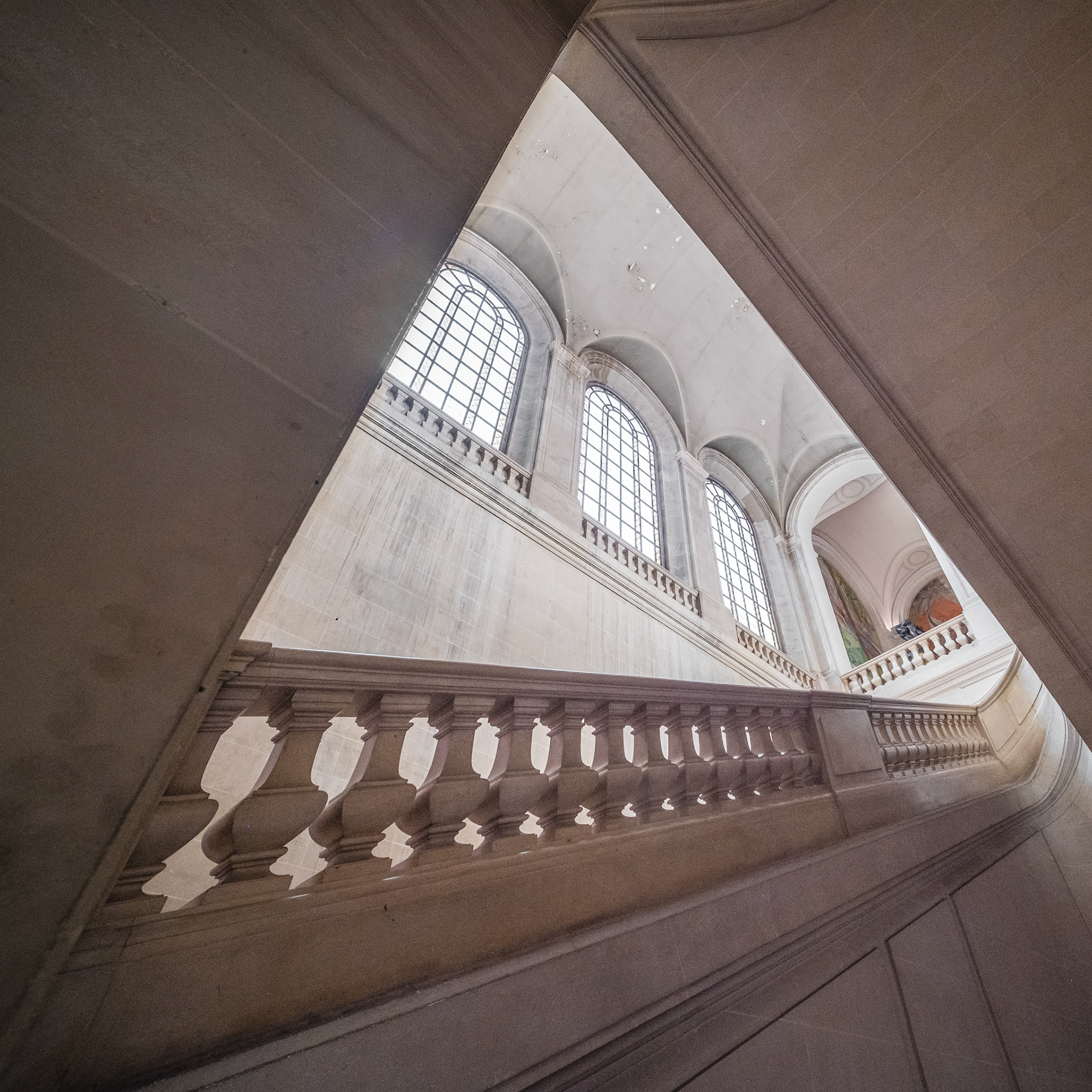
Musée d'Art et d'Histoire, Geneva - main staircase
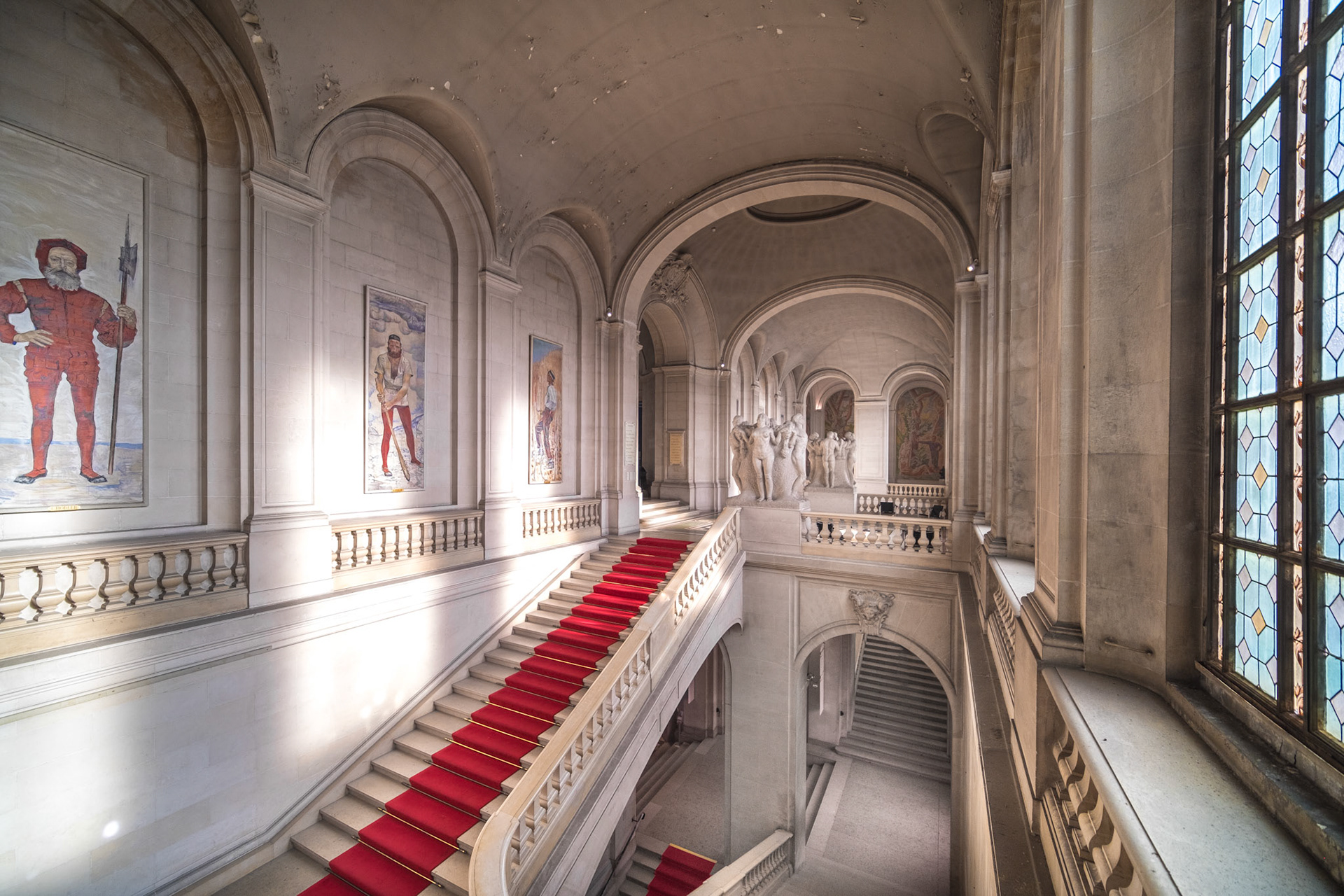
Musée d'Art et d'Histoire, Geneva - main staircase
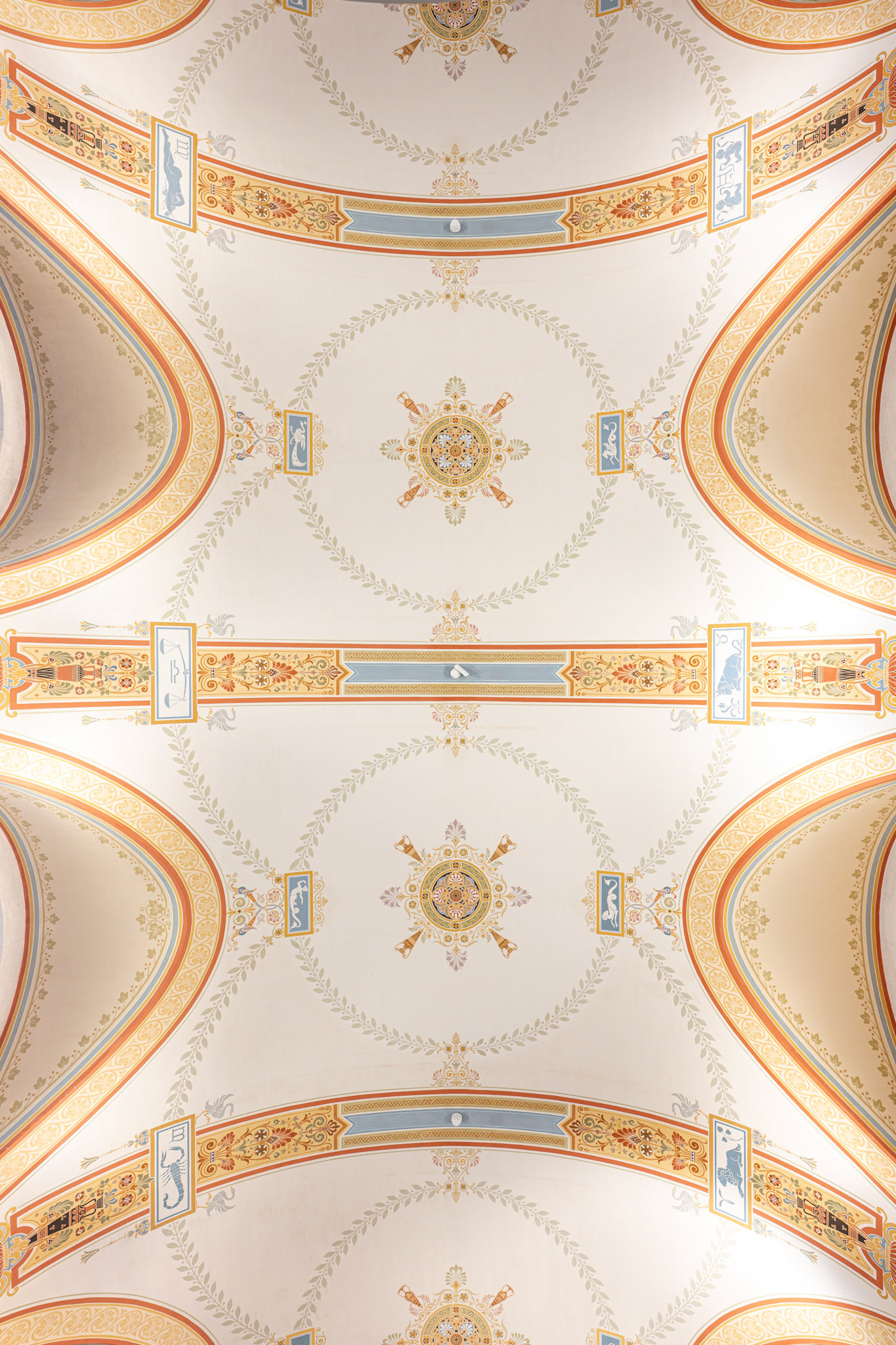
ceiling, temporary exhibition space
Permanent Collection
The sculpture Venus et Adonis by the Italian Neoclassical artist Antonio Canova is one of the masterpieces of the museum. It was created between 1789 and 1794. It was purchased by Geneva scholar and politician Guillaume Favre in 1820.
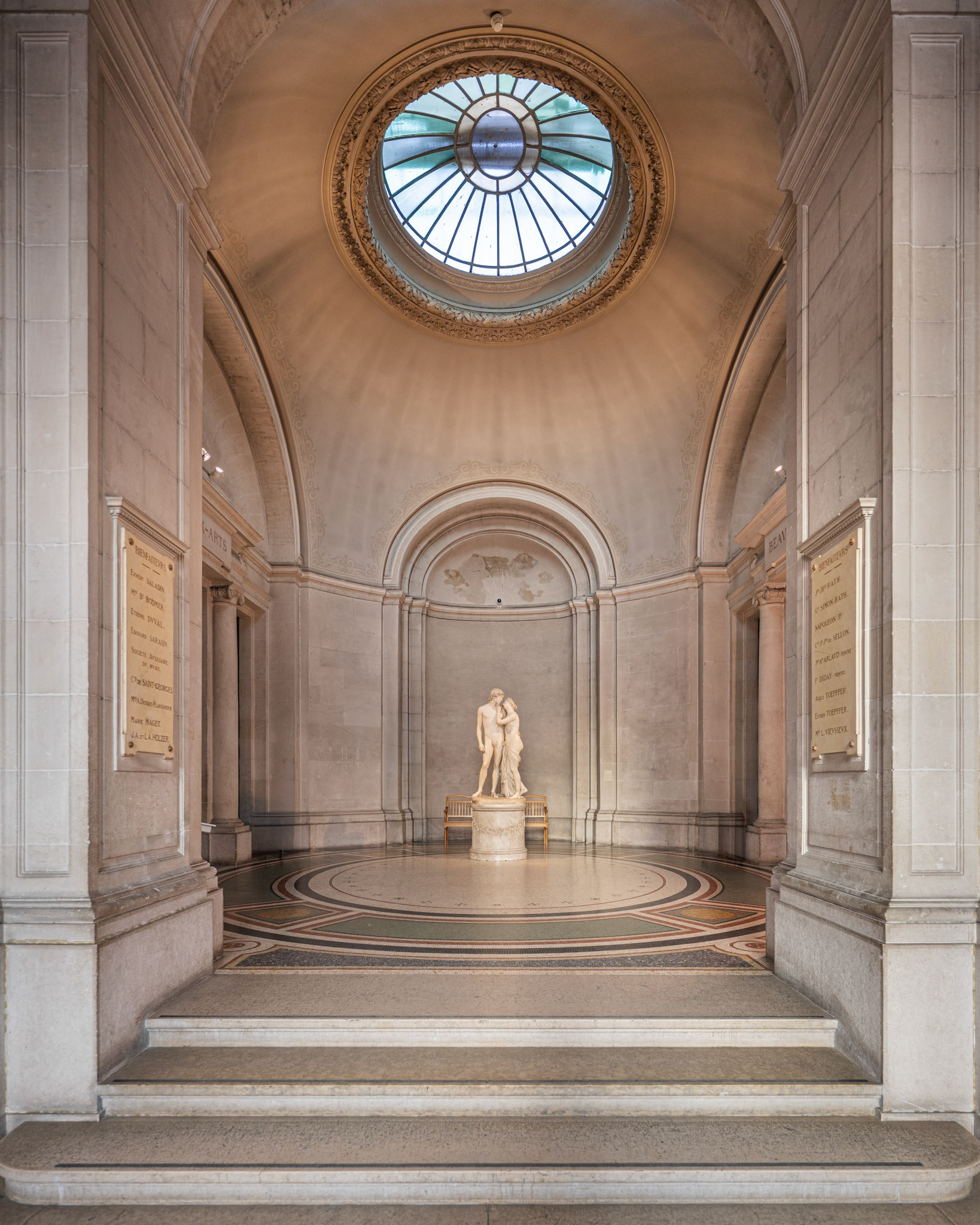
MAH Geneva - Vénus et Adonis by Antonio Canova
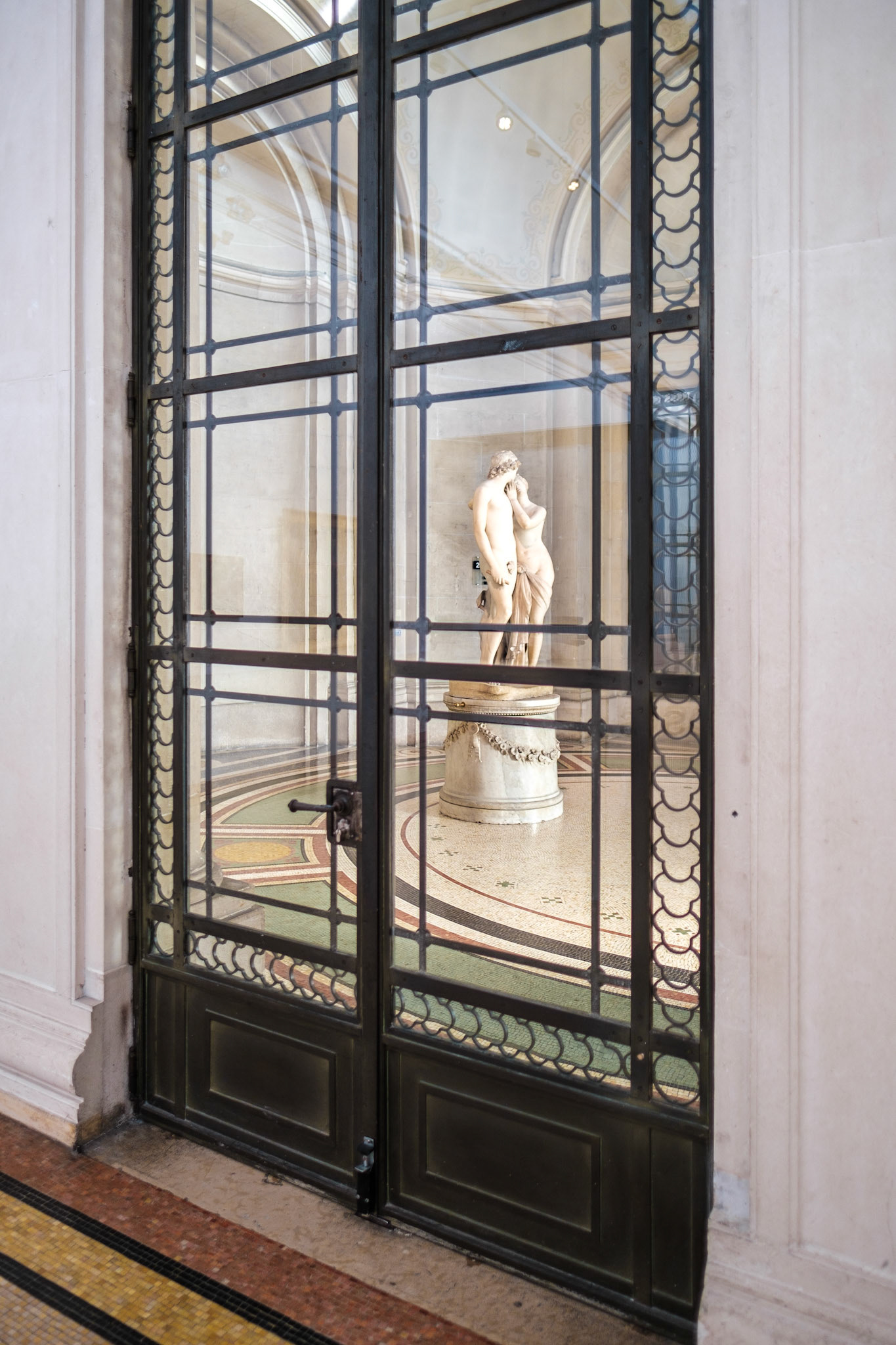
MAH Geneva - Vénus et Adonis by Antonio Canova
With more than 140 paintings, over 600 drawings and a collection of over 200 notebooks and sketchbooks, the Musée d'Art et d'Histoire houses the world's largest collection of artworks by Swiss artist, and adopted Genevan, Ferdinand Hodler.
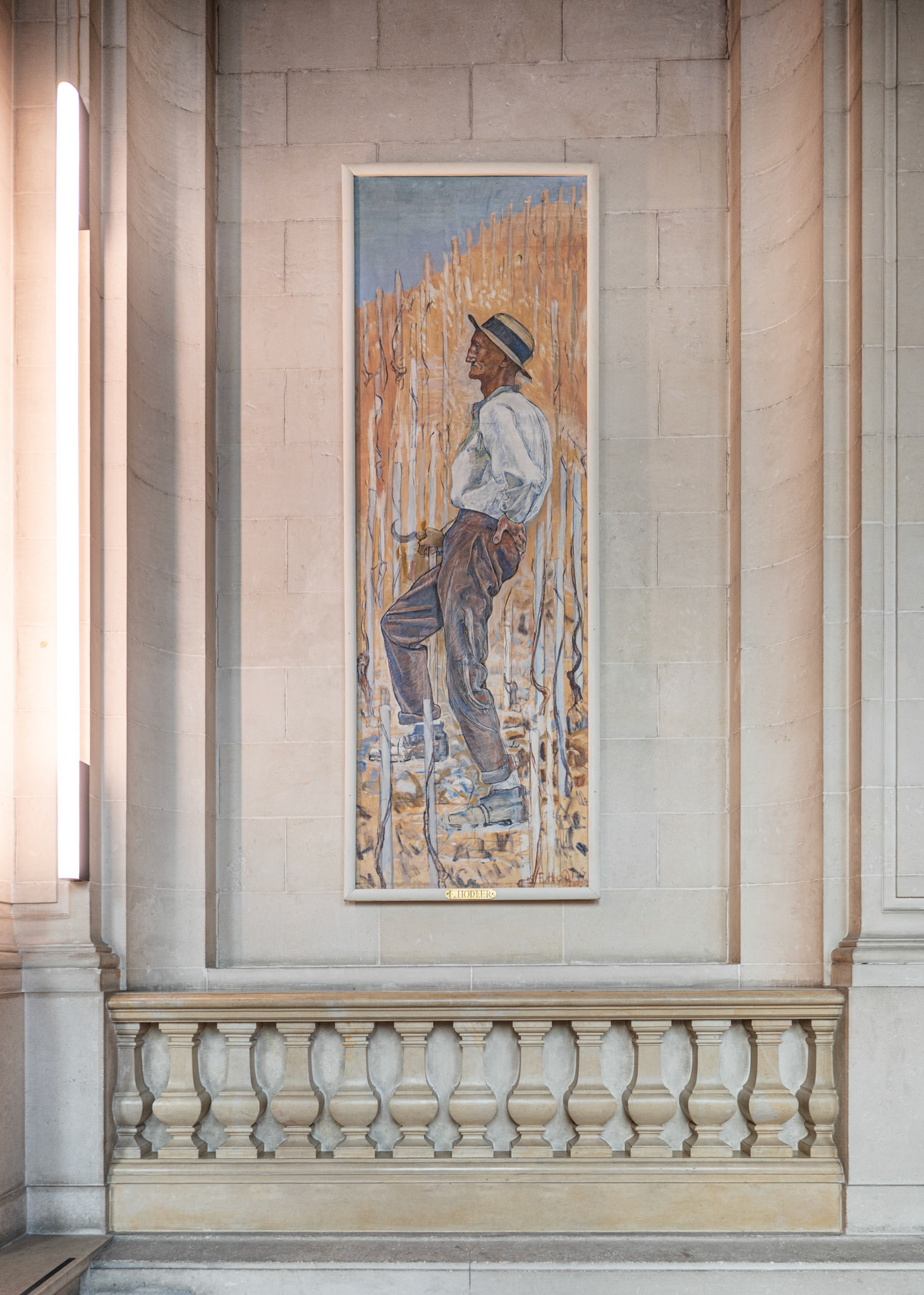
"Vigneron vaudois", Ferdinand Hodler
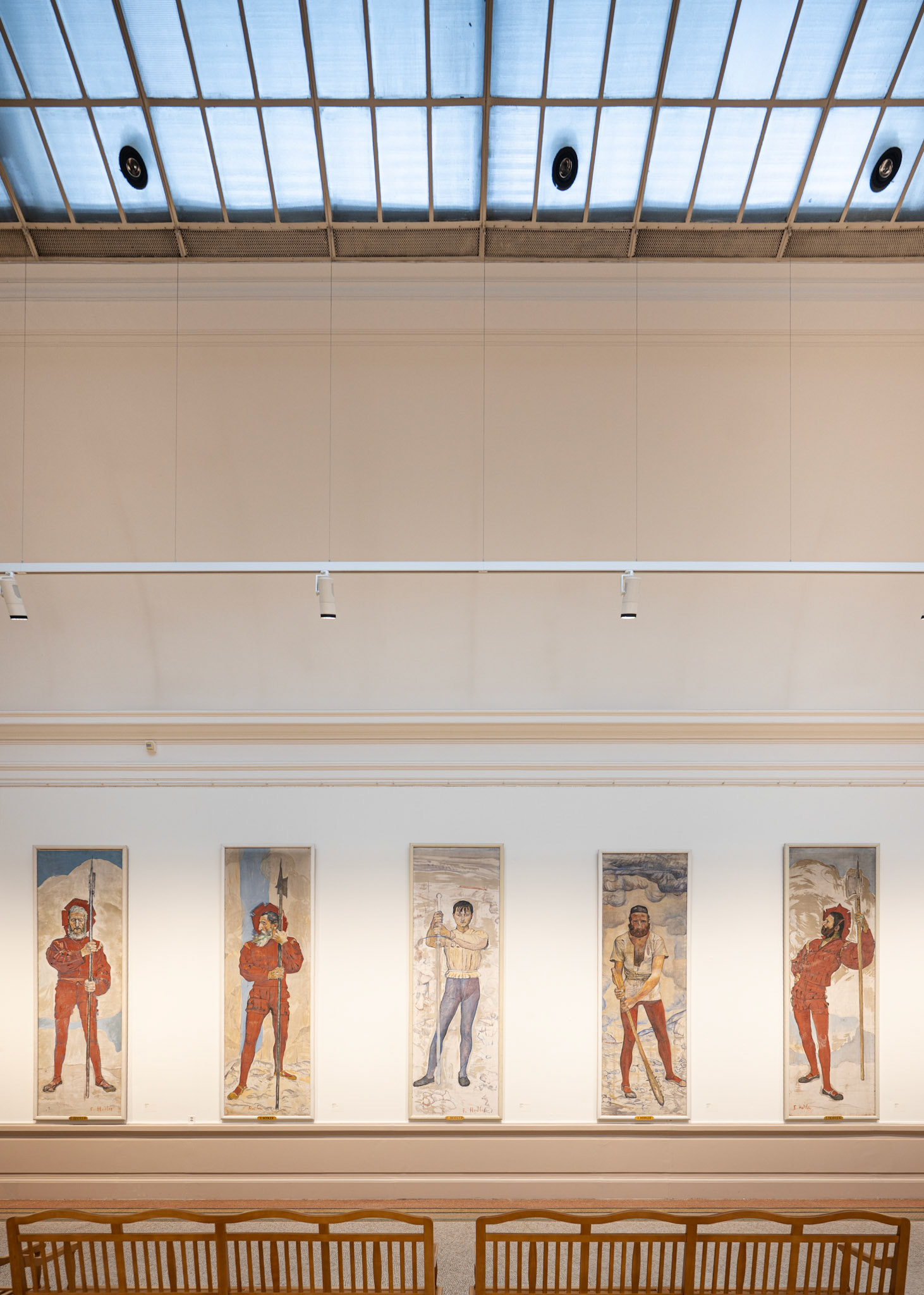
Warriors by Ferdinand Hodler
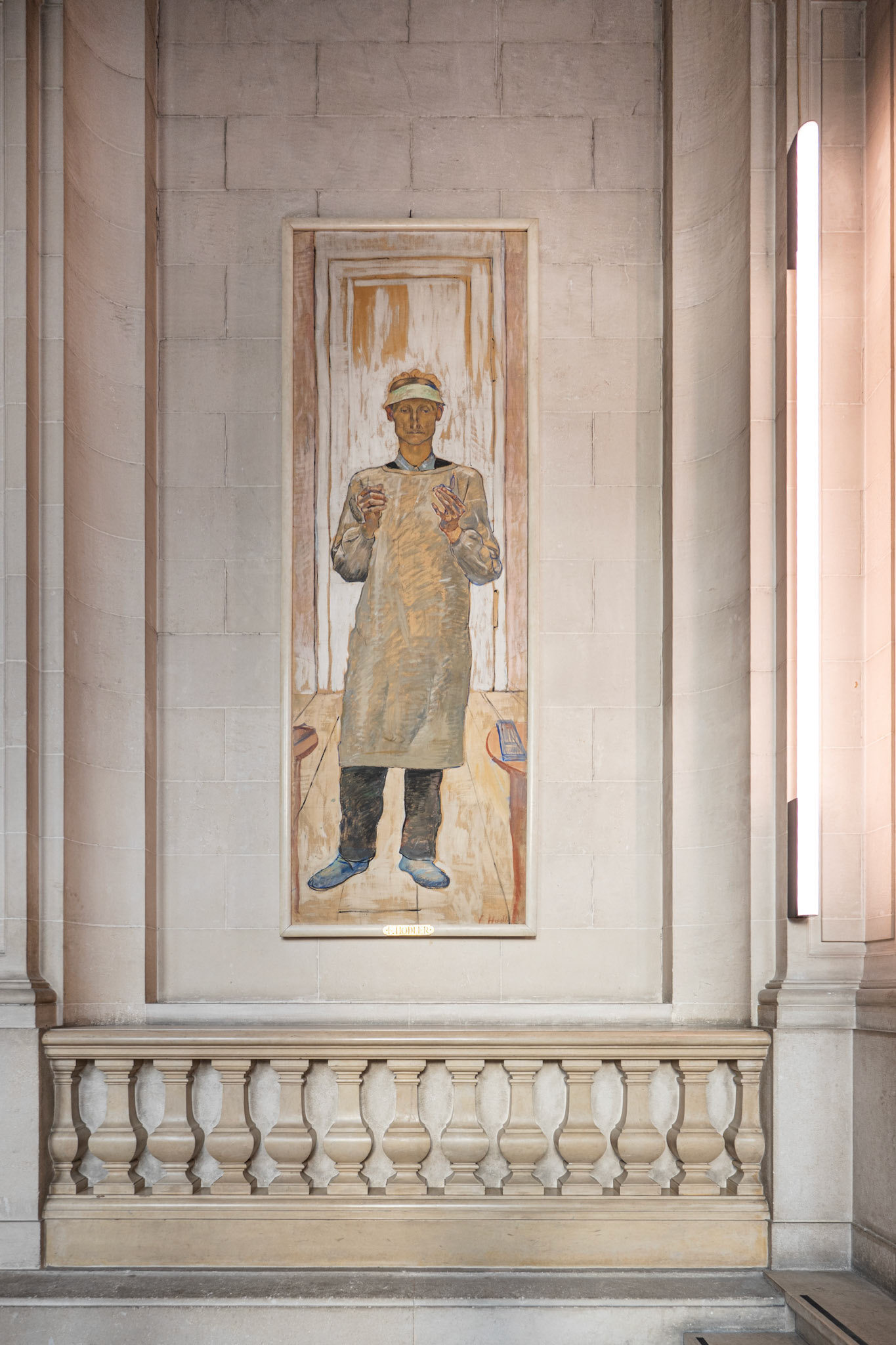
"Horloger genevois", Ferdinand Hodler
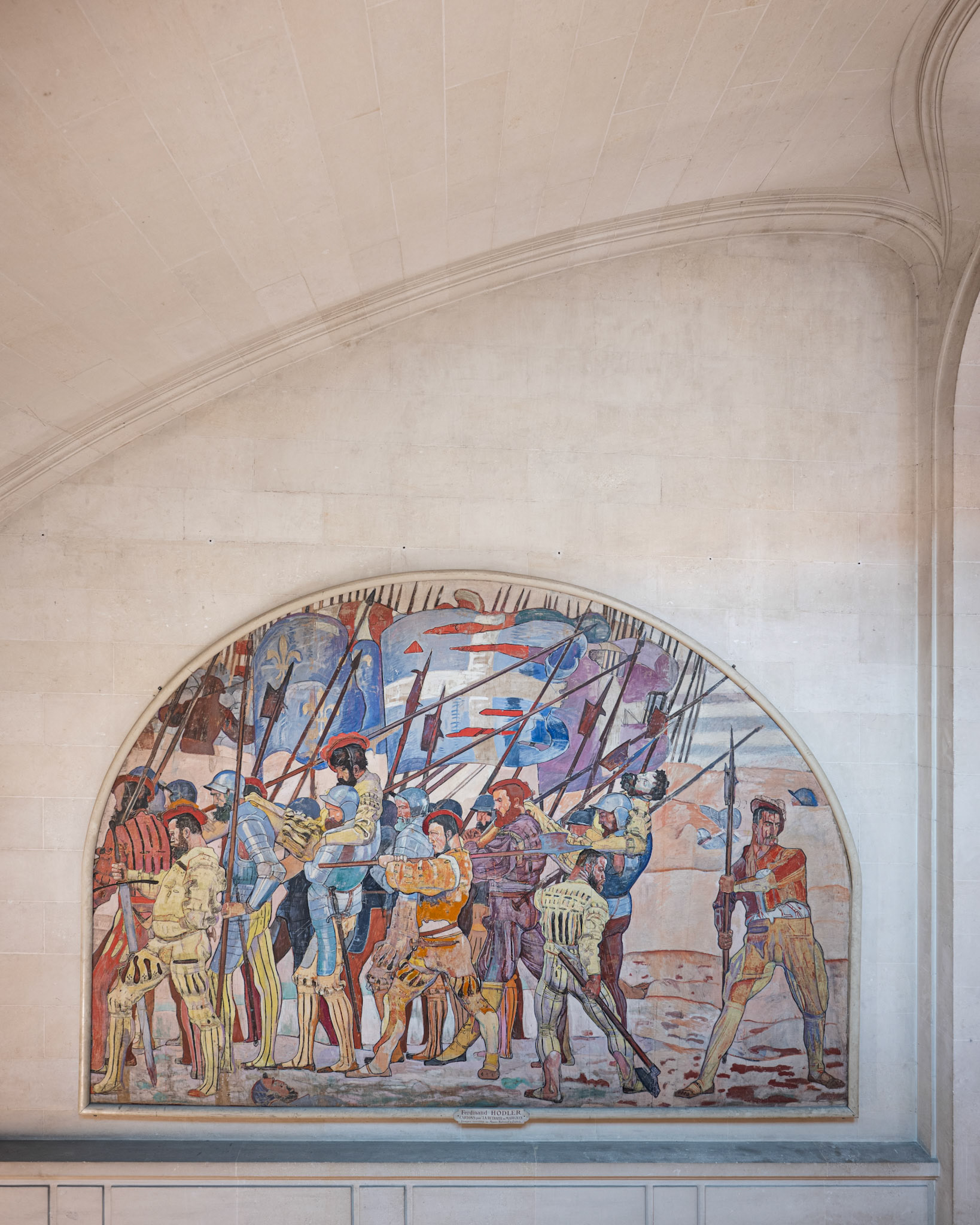
Cartons pour "La retraite de Marignan", Ferdinand Hodler
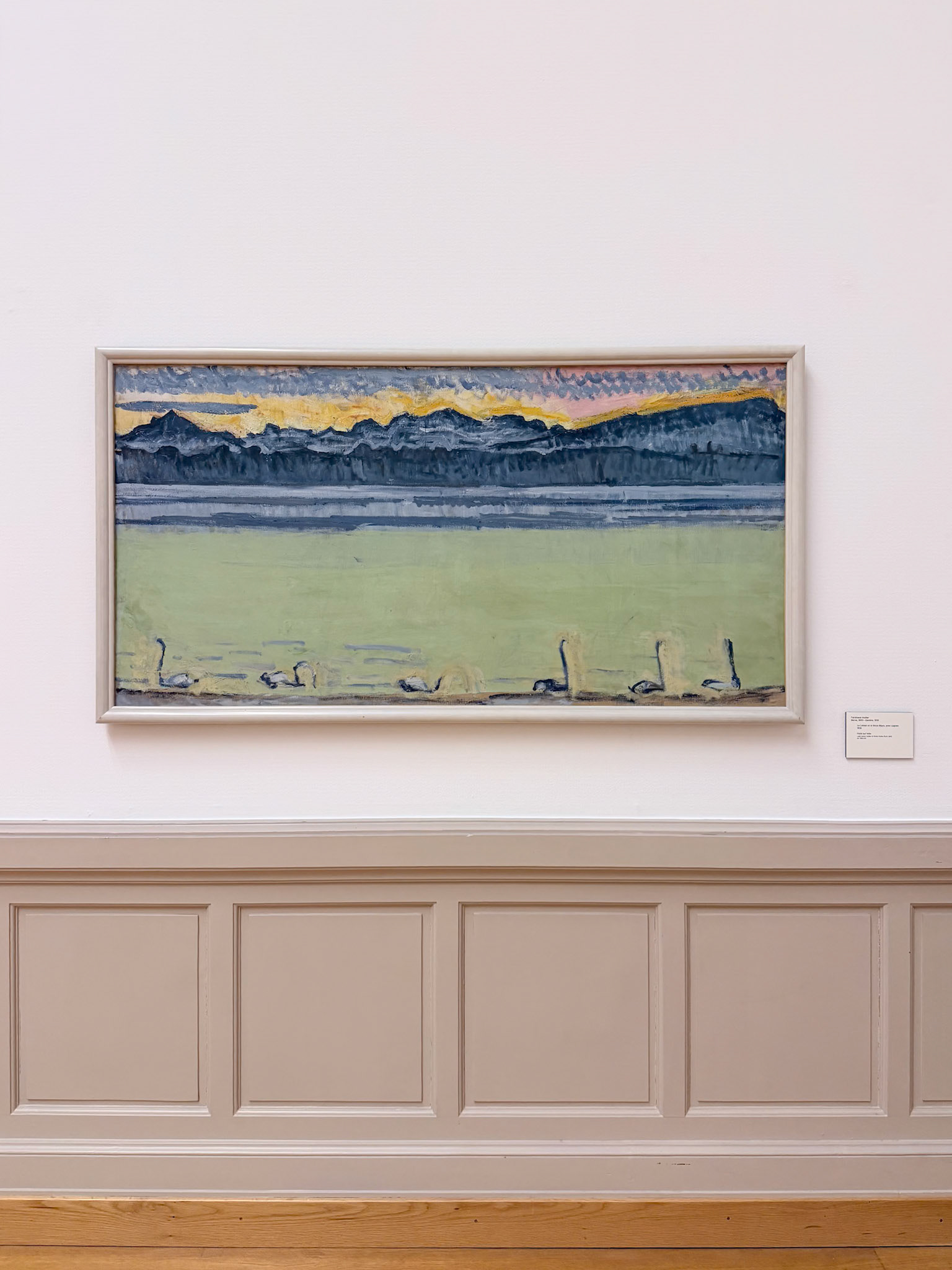
"Le Léman et le Mont Blanc avec cygnes", Ferdinand Hodler
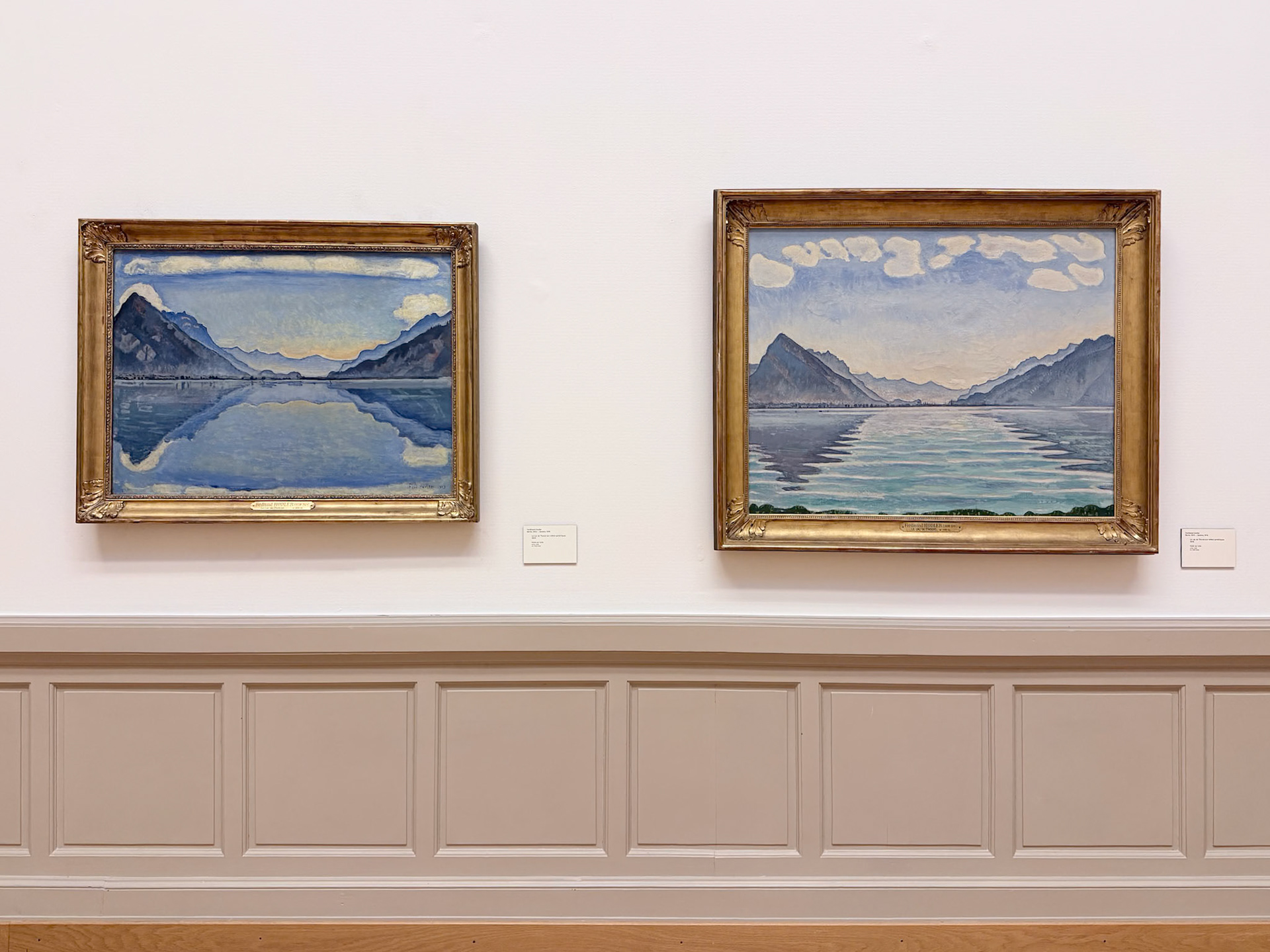
"Le lac de Thoune aux reflets symétriques", Ferdinand Hodler
Other Swiss painters on display are Giovanni Giacometti and Félix Vallotton.
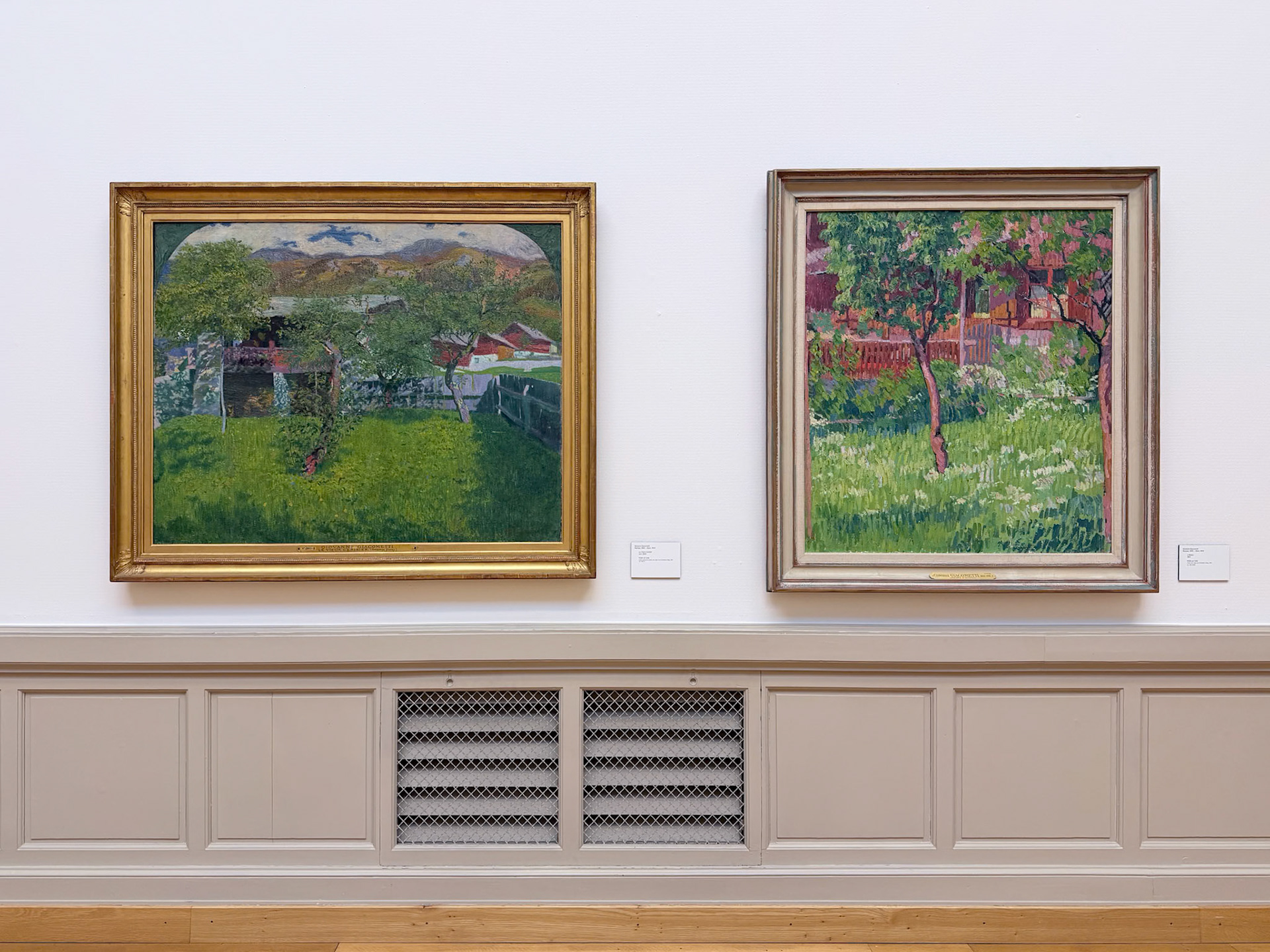
L'atelier and Le vieux cérisier, Giovanni Giacometti
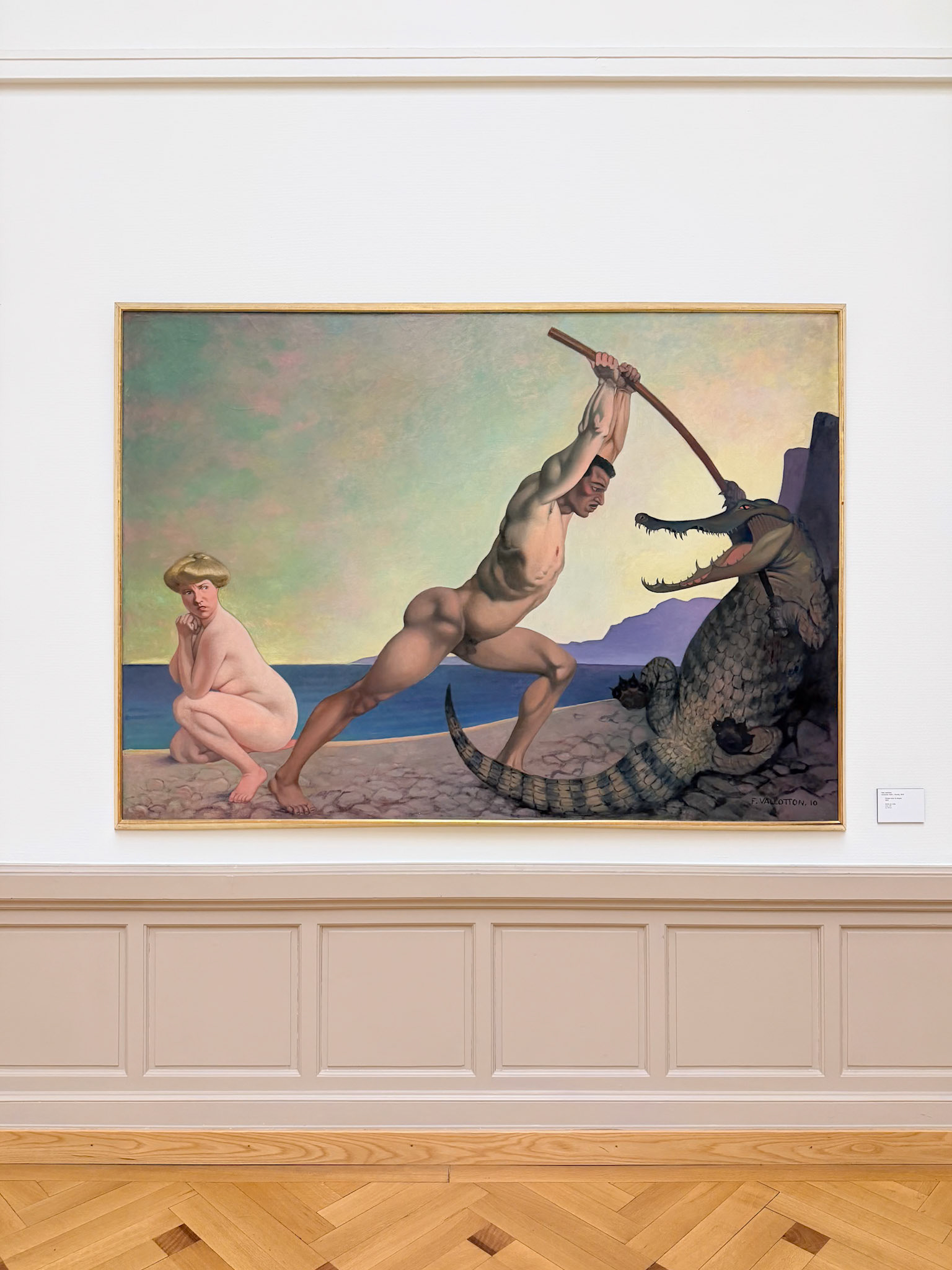
Persée tuant le dragon, Felix Vallotton (1910)
Multiple artworks of Geneva's Cathédrale Saint-Pierre can also be seen at the Musée d'Art et d'Histoire. Among them, the "Miraculous Draft of Fishes", painted in 1444 by Konrad Witz, considered the be the earliest topographically identifiable representation in Western painting. It currently is symbolically protected by Ferdinand Hodler’s warriors.
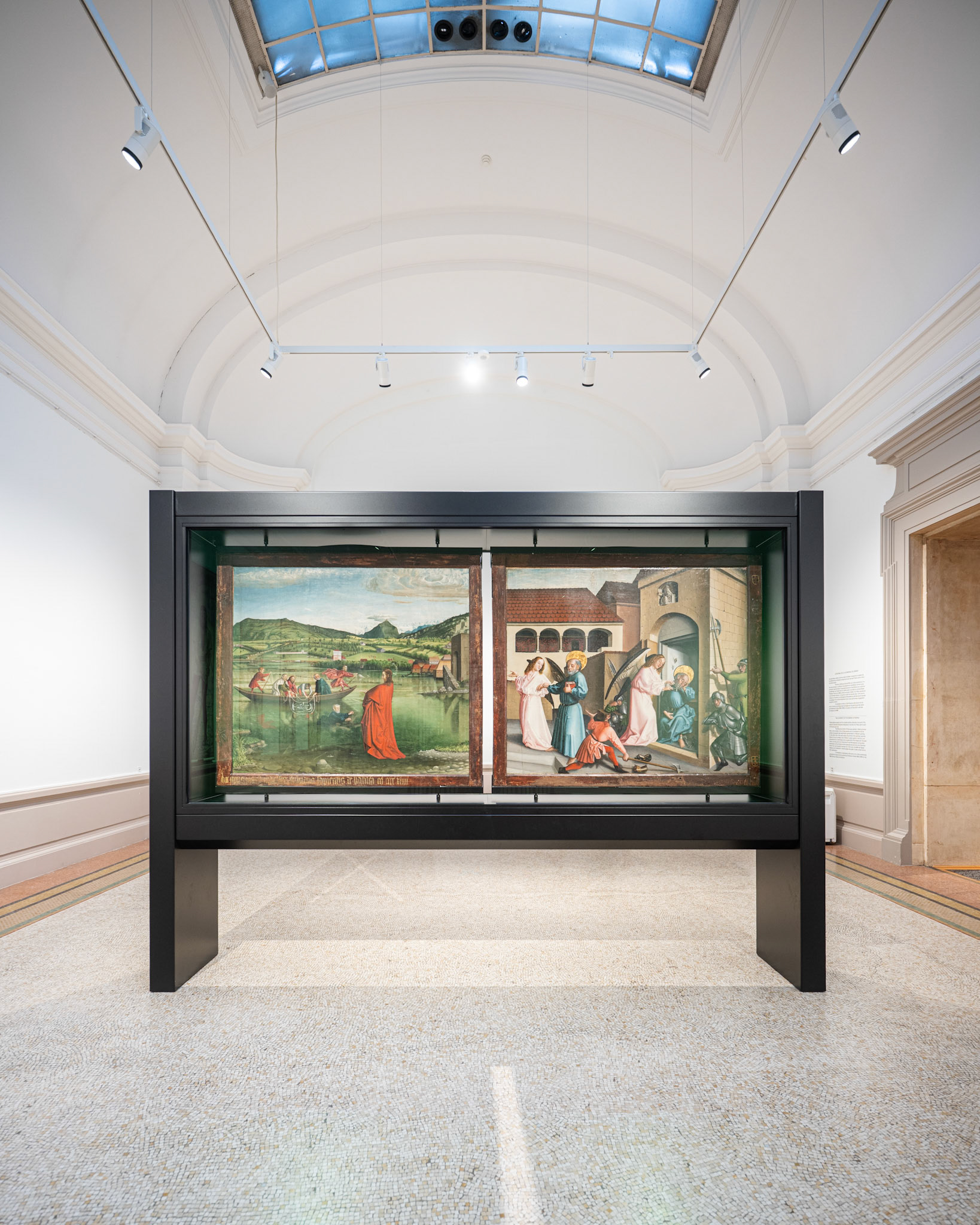
Miraculous Draft of Fishes, Konrad Witz (1444)
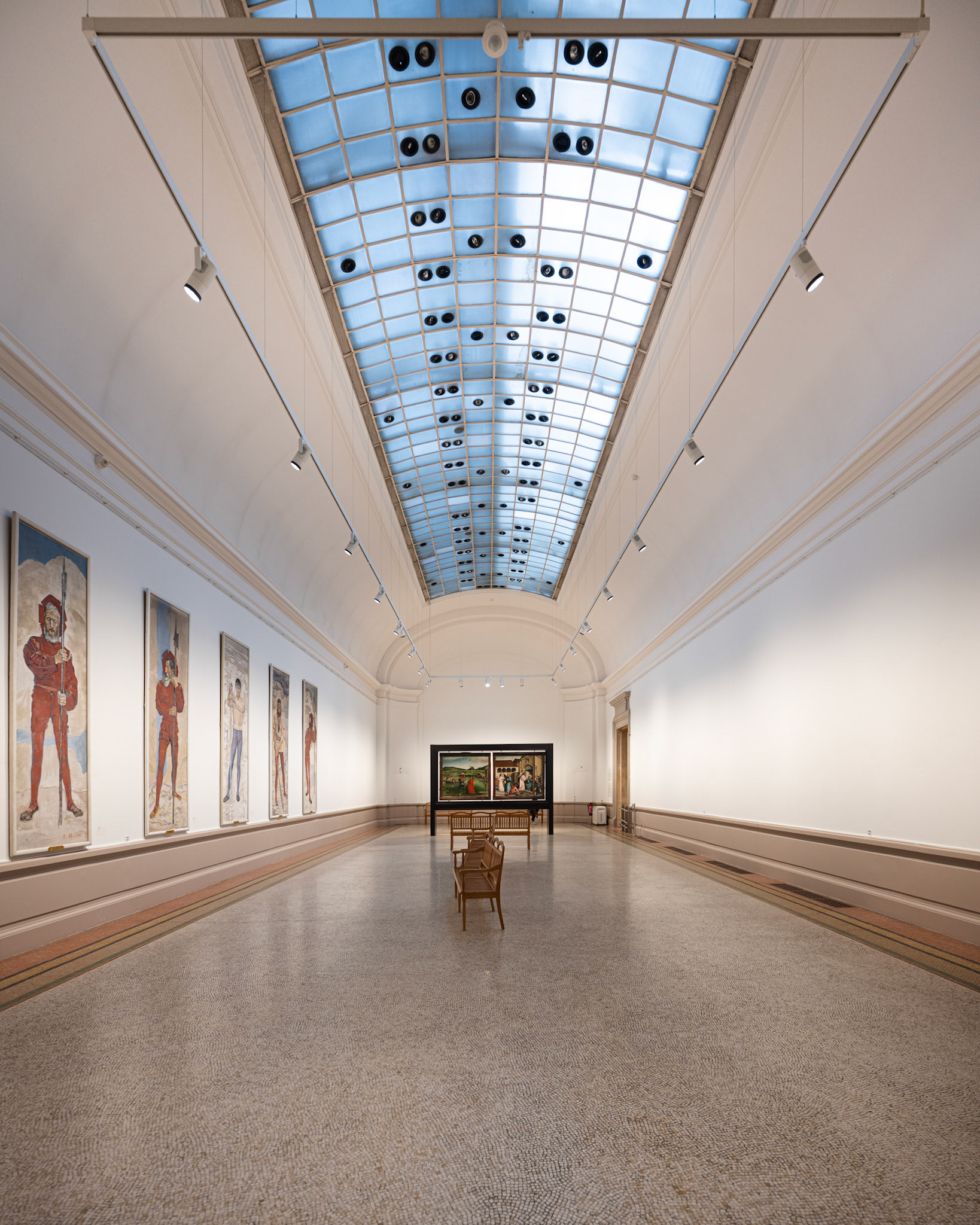
Miraculous Draft of Fishes, Konrad Witz (1444)
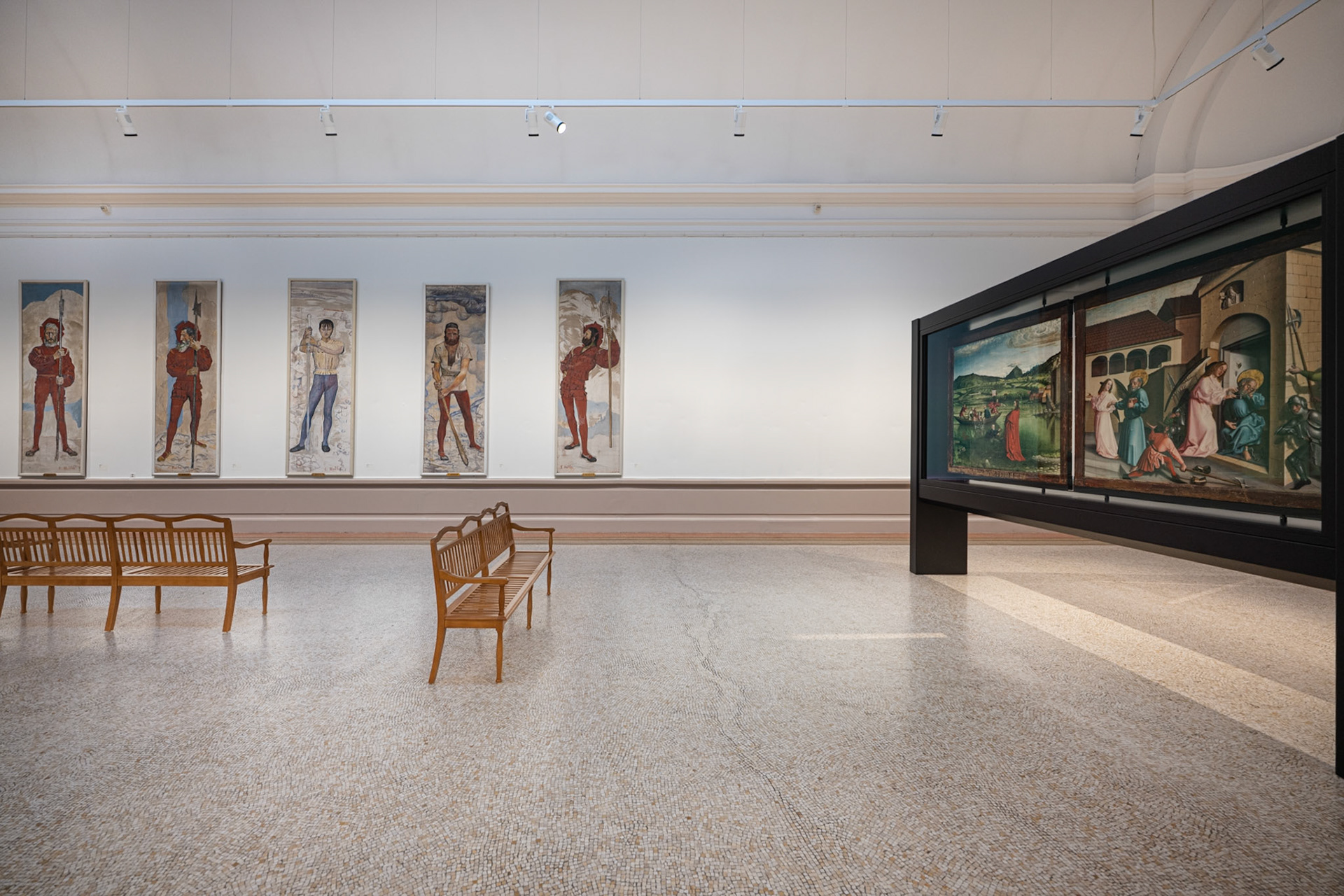
Miraculous Draft of Fishes, Konrad Witz (1444)
Some of the original windows the Geneva Cathedral are also shown.
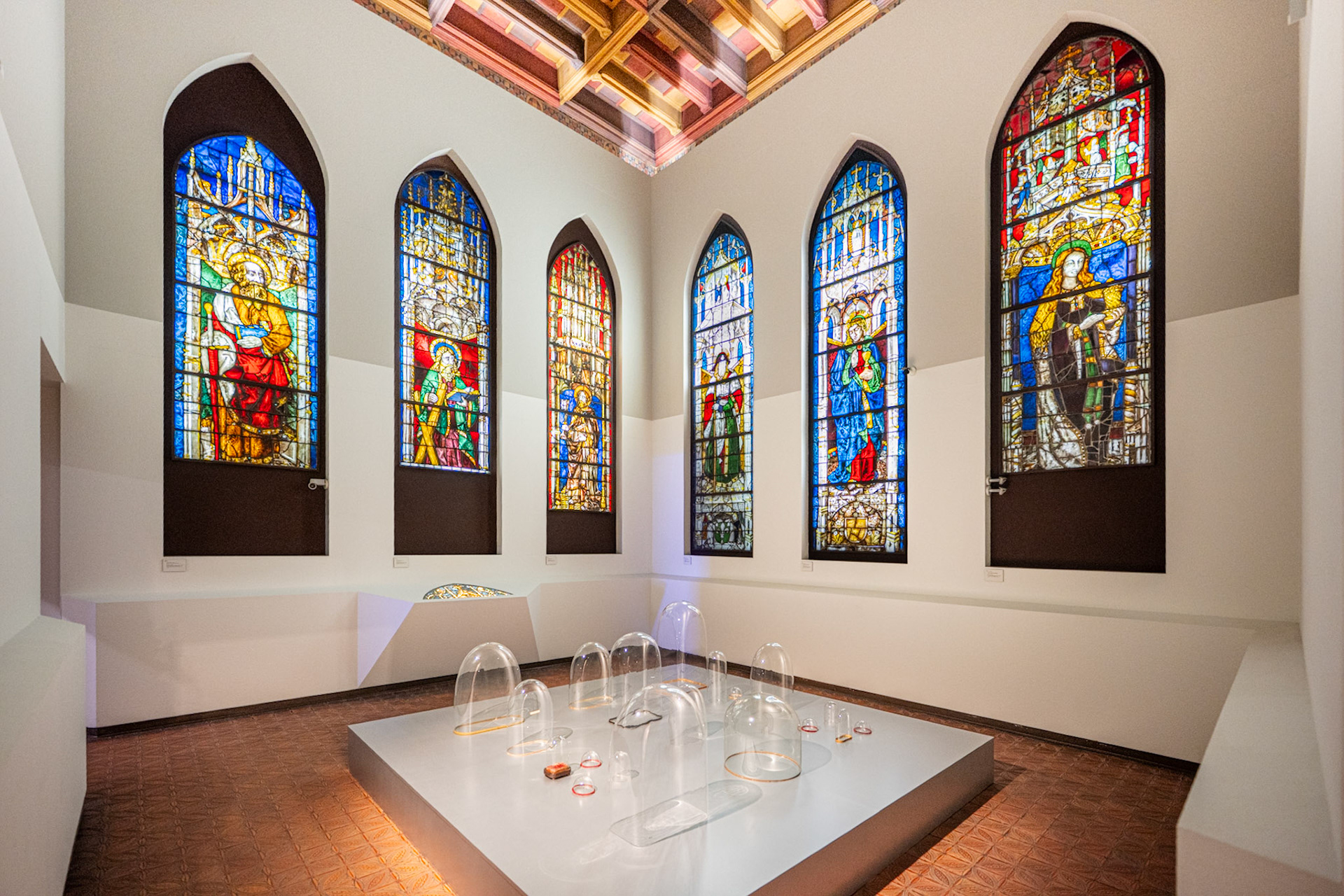
windows Cathédrale Saint-Pierre
The MAH's collections today contain more than 650000 items.
Temporary Exhibitions
Observatoires - Carte blanche à John M Armleder
2026-01-28 - 2026-10-25
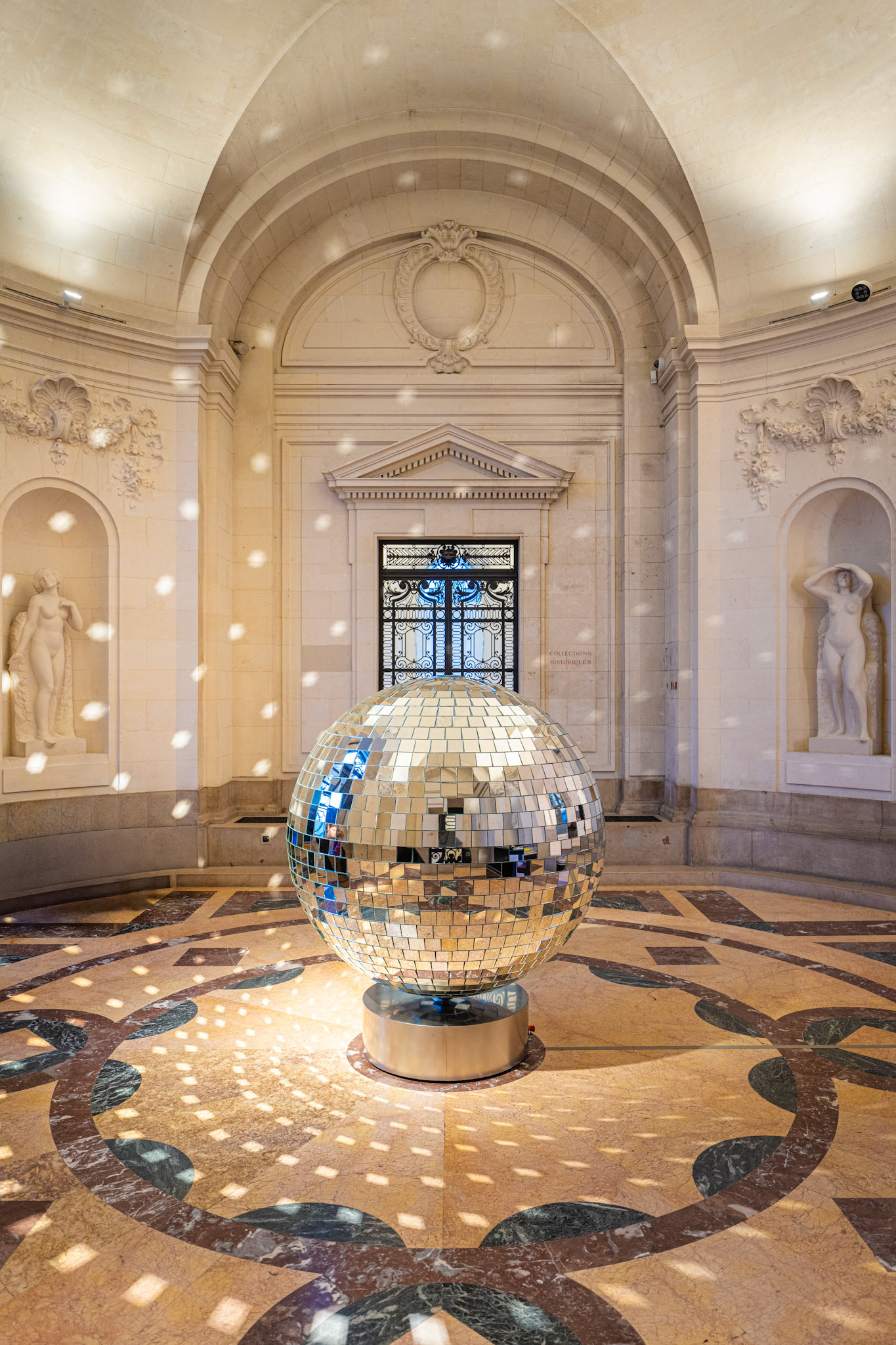
Observatoires - Carte blanche à John M Armleder
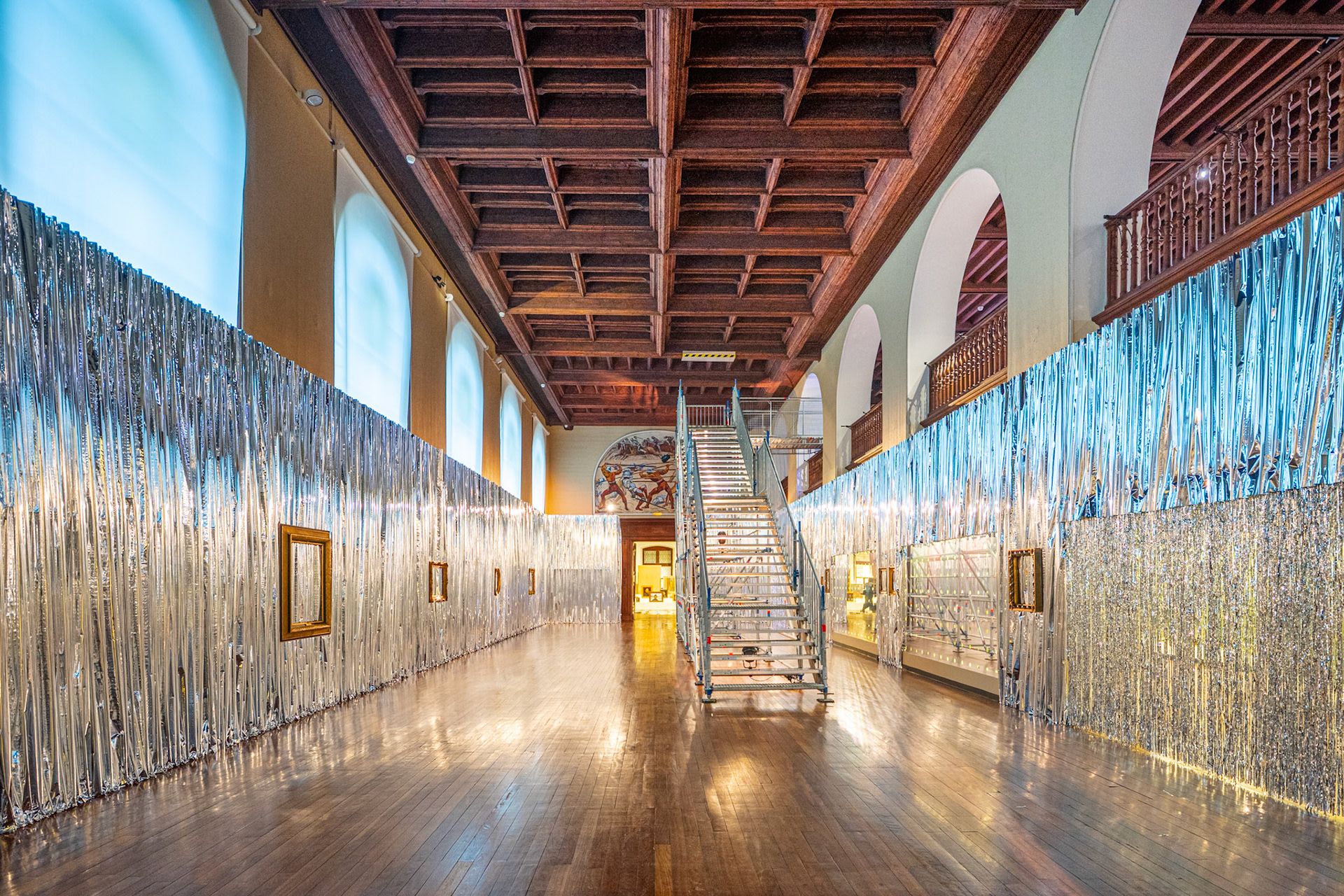
Observatoires - Carte blanche à John M Armleder
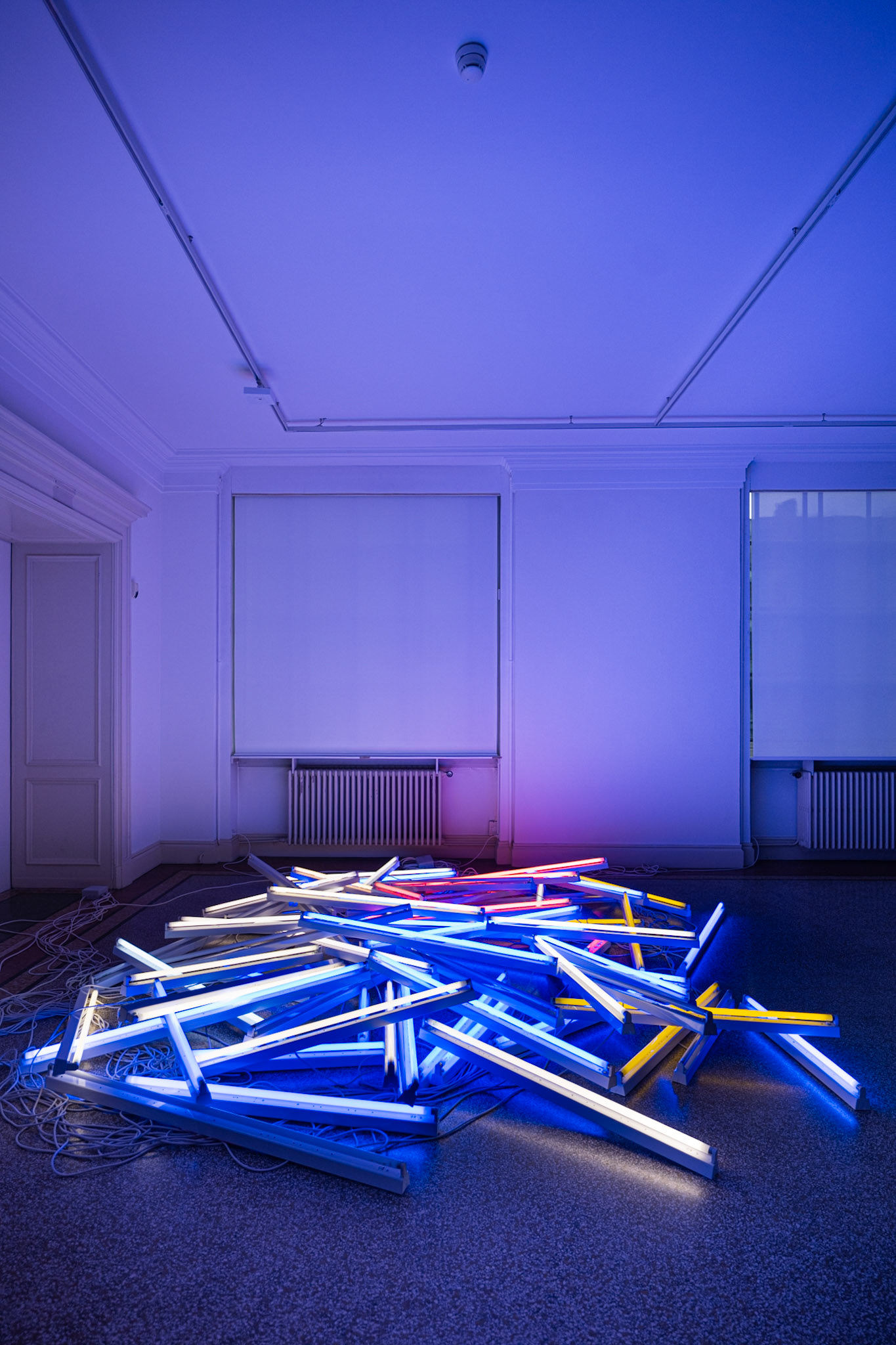
Observatoires - Carte blanche à John M Armleder
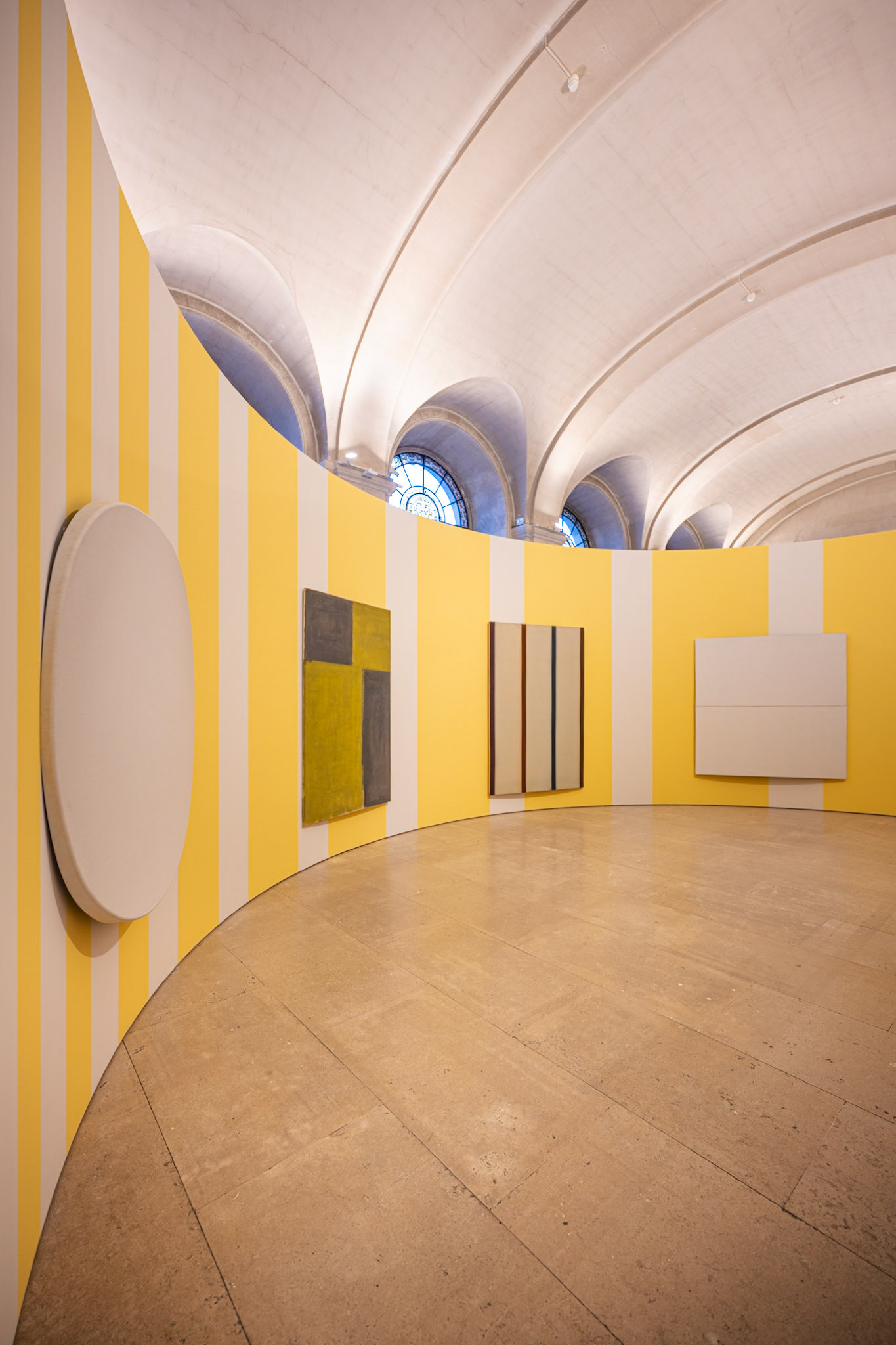
Observatoires - Carte blanche à John M Armleder
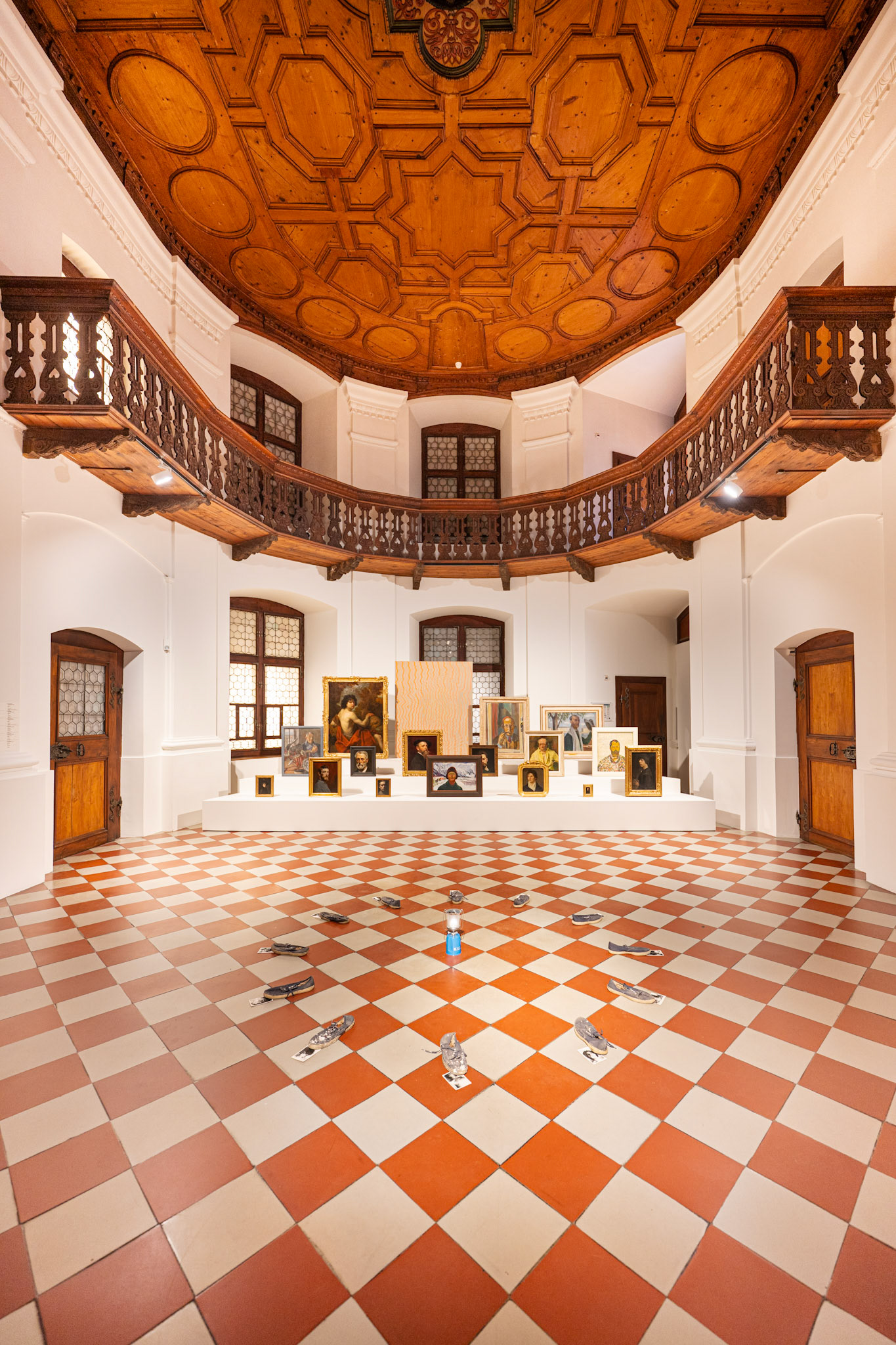
Observatoires - Carte blanche à John M Armleder
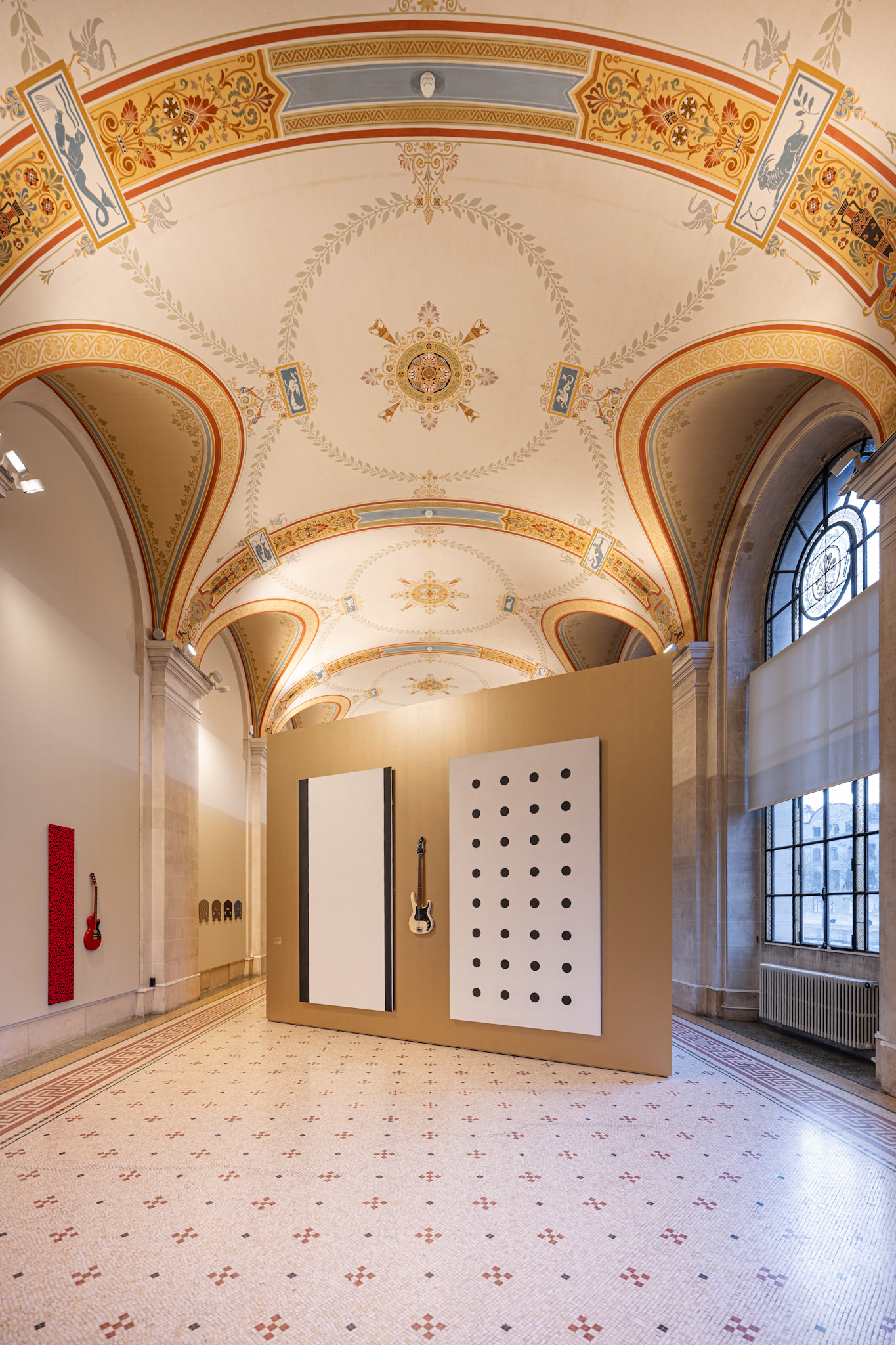
Observatoires - Carte blanche à John M Armleder
You may also like